
Kurz zusammengefasst
- API Integration is the process of connecting different software systems using an Application Programming Interface (API) so they can communicate and exchange data automatically
- It supports digital transformation by allowing new technologies (cloud, AI, analytics) to work with existing systems without rebuilding infrastructure.
- API integration powers modern digital ecosystems, enabling e-commerce, fintech, SaaS, and enterprise platforms to scale faster and innovate more efficiently.

What Is API Integration?
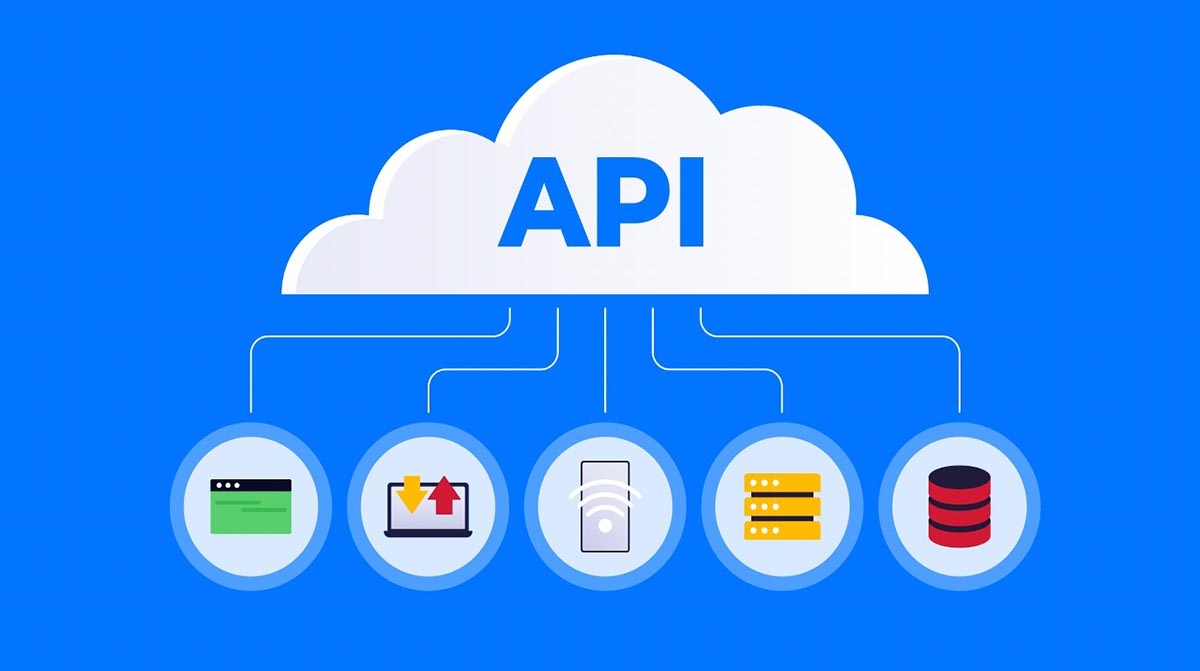
API Integration is the process of connecting different software systems using an Application Programming Interface (API) so they can communicate and share data automatically.
An API acts like a messenger between applications. It allows one system to request information or trigger actions in another system without needing direct access to its internal code or database.
Beispiel
When you place an order on an online store:
- Die payment gateway processes your payment
- Die inventory system updates stock levels
- Die shipping provider generates delivery details
All of these systems communicate through APIs, allowing the entire process to happen automatically and in real time.
Why API Integration Matters for Businesses?
As companies use more digital tools, disconnected systems create inefficiencies and manual work. API integration enables systems to communicate automatically, improving speed, accuracy, and scalability.
1. Improves operational efficiency
Automates data transfer between systems, reducing manual work and minimizing errors. For example, customer form data can instantly sync with CRM, email tools, and internal databases.
2. Enables real-time data access
Systems share information instantly, helping businesses make faster decisions. This is critical in industries like finance, logistics, and healthcare where up-to-date data is essential.
3. Supports digital transformation
APIs connect new technologies such as cloud platforms, AI tools, and analytics systems with existing infrastructure, allowing companies to modernize without rebuilding everything.
4. Accelerates innovation
Businesses can quickly add features like payments, identity verification, or AI capabilities using third-party APIs, reducing development time and speeding up product launches.
Who Uses API Integration?
API integration is used by organizations across many industries because modern businesses rely on interconnected digital systems.
Technology and SaaS Companies
Software companies frequently use APIs to connect internal microservices and external tools. APIs help SaaS platforms integrate services such as authentication, billing, analytics, and communication tools.
Financial Services and Fintech
Banks and fintech companies rely heavily on APIs for services like online payments, digital wallets, fraud detection, and credit scoring. Open banking initiatives also depend on secure APIs to share financial data between institutions and third-party applications.
E-commerce Businesses
Online retailers use API integrations to connect their websites with payment gateways, logistics providers, inventory systems, and marketing platforms. This ensures that order processing, delivery tracking, and customer communication happen automatically.
Enterprises and Large Organizations
Large enterprises often operate multiple systems across departments. API integration enables these systems to exchange information and coordinate workflows across finance, HR, operations, and customer service.
When Should Businesses Implement API Integration?
API integration becomes necessary when organizations begin using multiple digital tools that must share data.
During Digital Transformation
When businesses adopt cloud services, analytics platforms, or AI tools, API integration ensures that these systems work seamlessly with existing applications.
When Automating Business Processes
If employees spend significant time transferring information between systems, it is a clear sign that API integration could improve efficiency. Automating workflows reduces manual work and increases productivity.
When Scaling Business Operations
As companies grow, they typically introduce new platforms for marketing, customer management, logistics, and analytics. APIs allow these systems to integrate quickly without disrupting existing infrastructure.
When Building Digital Platforms
Organizations that create digital ecosystems—such as marketplaces, fintech platforms, or SaaS products—rely heavily on APIs to enable external developers and partners to connect with their services.
How API Integration Works
API integration works through a structured communication process between applications.
First, a client application sends a request to an API endpoint. This request may ask for specific data or instruct the system to perform an action.
The receiving system processes the request and returns a response, which usually contains data or confirmation that the request has been completed.
Most modern API integrations use standardized technologies such as:
- REST APIs for web-based communication
- JSON or XML as structured data formats
- OAuth or API keys for authentication and security
In more complex environments, organizations may use integration platforms, middleware, or API management tools to monitor, secure, and scale API connections.
These technologies help ensure reliable communication between systems while maintaining performance and security.
Other Related Terms
Understanding API integration is easier when it is viewed alongside several related concepts in software development.
Application Programming Interface (API)
An API is a set of rules that allows software applications to communicate with each other. It defines how requests should be made and how responses should be returned.
Microservices Architecture
Microservices architecture is a software design approach where applications are built as smaller independent services. These services communicate with each other through APIs.
Middleware
Middleware is a software layer that connects different applications and manages communication between them. It often helps handle complex integrations within enterprise environments.
Webhooks
Webhooks allow systems to automatically send data to another application when a specific event occurs. They are often used alongside APIs to enable real-time updates.
API-Gateway
An API gateway is a management layer that handles API traffic, security, and monitoring. It helps organizations control how external systems access their APIs.