Kurz zusammengefasst
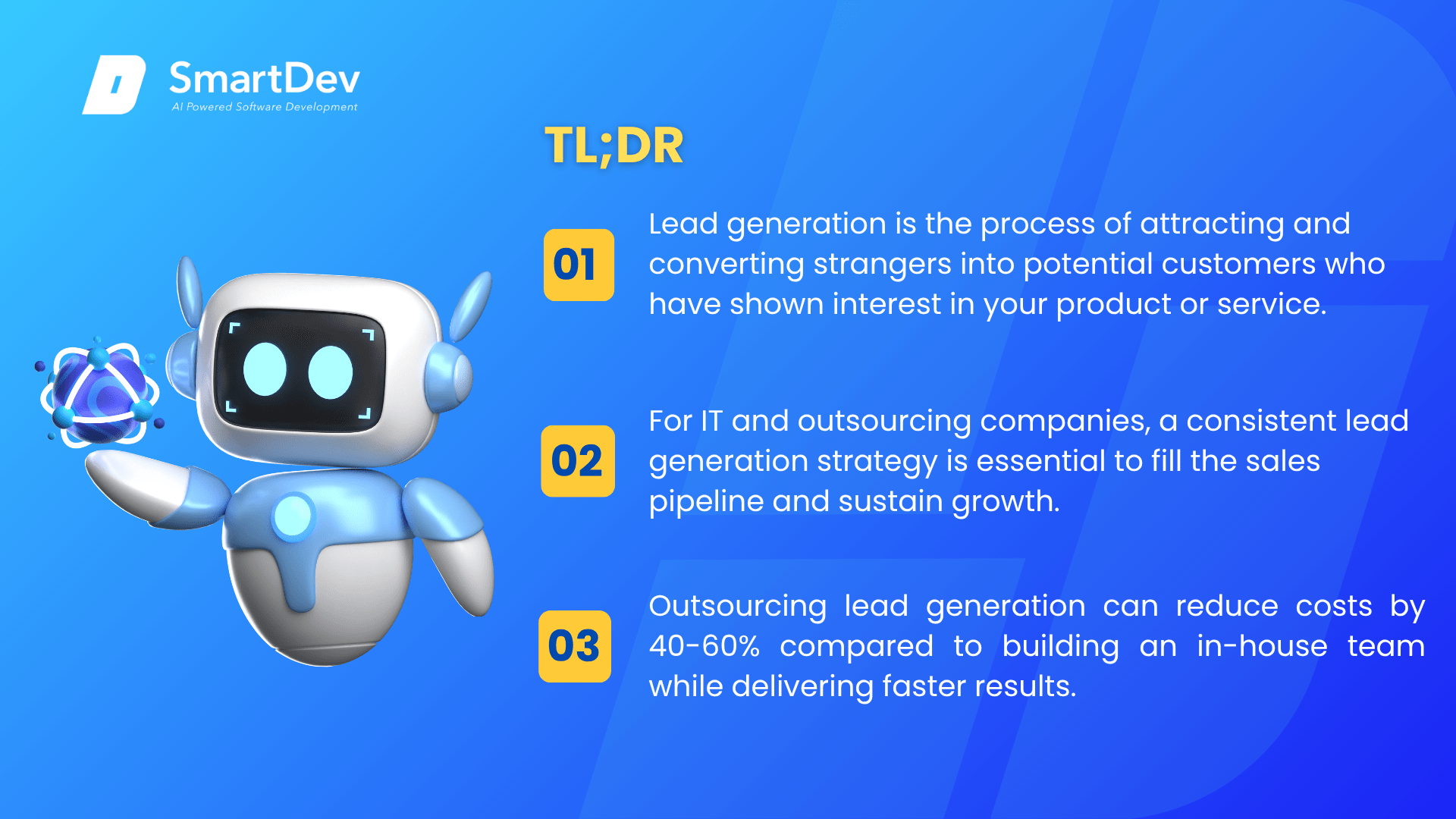
- Lead generation is the process of attracting and converting strangers into potential customers who have shown interest in your product or service.
- For IT and outsourcing companies, a consistent lead generation strategy is essential to fill the sales pipeline and sustain growth.
- Outsourcing lead generation can reduce costs by 40-60% compared to building an in-house team while delivering faster results.
Lead generation sits at the heart of every business growth strategy. Without a reliable flow of qualified prospects, even the best products and services go unnoticed. For IT companies and outsourcing providers, reaching the right decision-makers at the right time requires a structured, multi-channel approach that goes far beyond cold calling or sending mass emails.
What is Lead Generation?
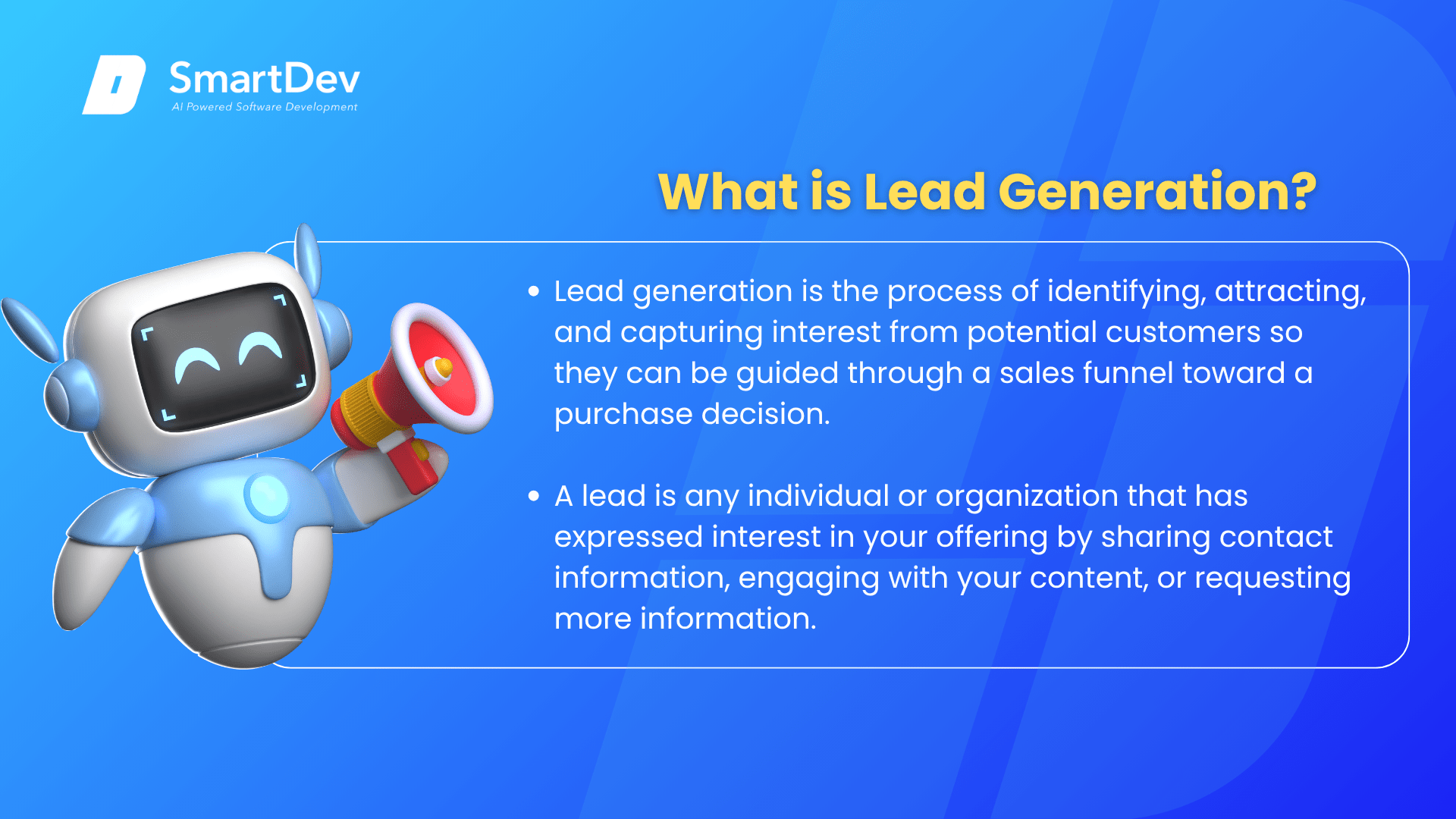
Lead generation is the process of identifying, attracting, and capturing interest from potential customers so they can be guided through a sales funnel toward a purchase decision. A lead is any individual or organization that has expressed interest in your offering by sharing contact information, engaging with your content, or requesting more information.
Leads are generally classified into two categories. Marketing Qualified Leads (MQLs) are prospects who have engaged with your marketing content but are not yet ready to buy. Sales Qualified Leads (SQLs) are prospects who have been vetted and are considered ready for a direct sales conversation. The distinction matters because treating an MQL like an SQL wastes sales time, while ignoring an SQL means leaving revenue on the table.
Modern lead generation combines inbound tactics (content marketing, SEO, webinars) with outbound tactics (cold outreach, paid ads, trade shows) to build a consistent flow of new business opportunities.
Warum ist das für Unternehmen wichtig?
Without a predictable lead pipeline, revenue becomes unpredictable and growth stalls. A strong lead generation strategy solves this by creating a repeatable system for bringing in new business.
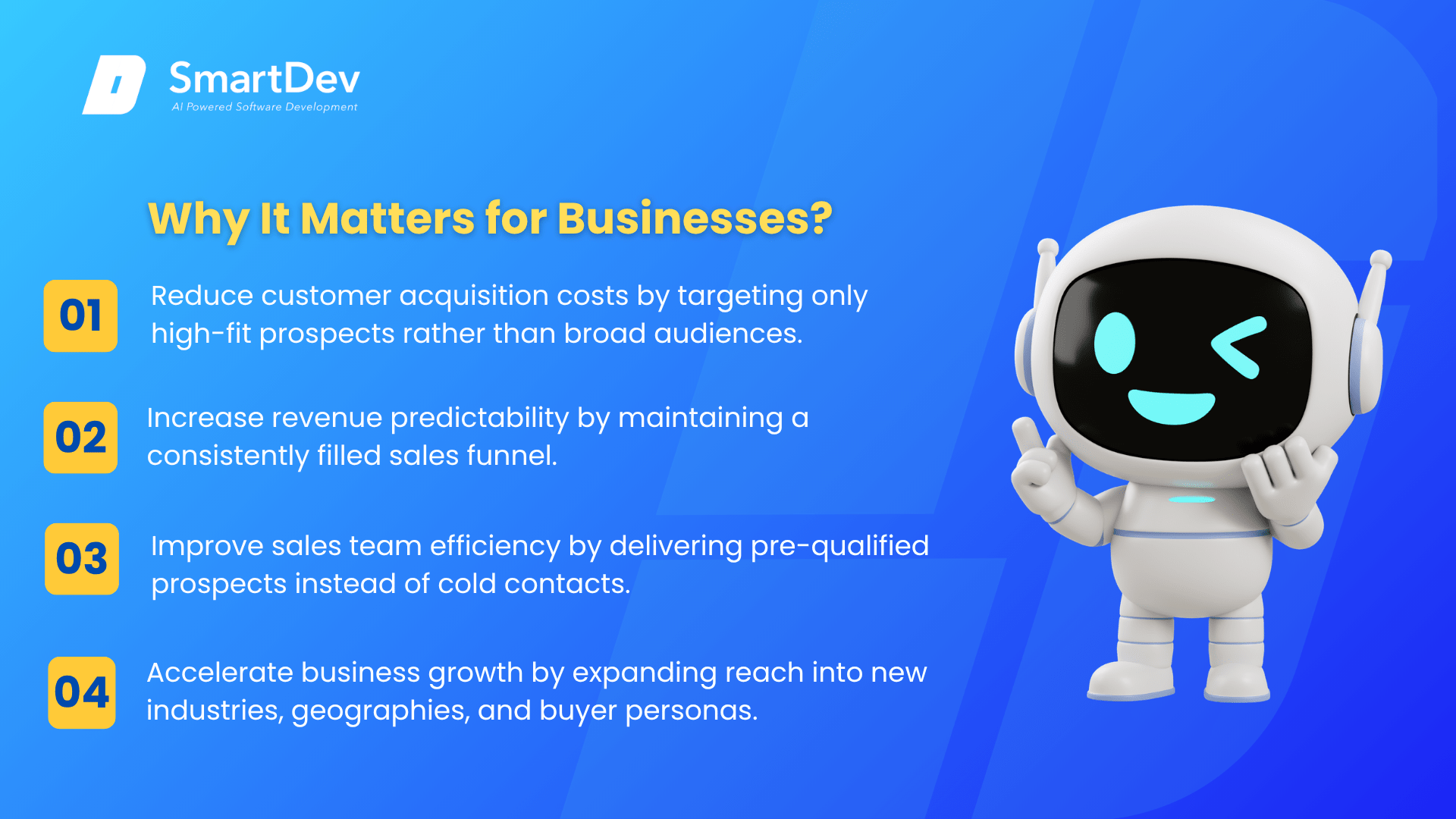
- Reduzieren customer acquisition costs by targeting only high-fit prospects rather than broad audiences.
- Increase revenue predictability by maintaining a consistently filled sales funnel.
- Verbessern sales team efficiency by delivering pre-qualified prospects instead of cold contacts.
- Beschleunigen business growth by expanding reach into new industries, geographies, and buyer personas.
For example, a mid-sized IT outsourcing company that shifted from referral-only growth to a structured outbound lead generation program reported a 3x increase in new client meetings within the first six months. The key was combining LinkedIn outreach with targeted content marketing directed at CTO-level decision-makers.
How Does Lead Generation Work?
- Define the Ideal Customer Profile (ICP): Identify the specific industries, company sizes, roles, and pain points your solution addresses. A focused ICP produces higher-quality leads.
- Create a Lead Magnet or Offer: Develop content or offers that attract your ICP, such as whitepapers, free audits, webinars, or case studies. This gives prospects a reason to share their contact details.
- Set Up Lead Capture Channels: Use landing pages, contact forms, LinkedIn outreach, or cold email sequences to collect lead information and move prospects into your CRM.
- Qualify and Score Leads: Apply a scoring system to rank leads by fit and intent, separating MQLs from SQLs so your sales team focuses on the most promising prospects.
- Nurture and Hand Off: Use email sequences and follow-up touchpoints to move MQLs toward readiness, then pass SQLs to sales with full context on their interests and engagement history.
The result is a structured, repeatable pipeline that reduces dependence on unpredictable referrals and gives leadership clear visibility into future revenue.
How Much Does Lead Generation Cost?
Lead generation costs vary widely depending on channel, target audience, and whether you build in-house or outsource. For enterprise B2B IT companies, outsourced lead generation typically runs between $5,000 and $20,000 per month for managed programs, with individual qualified leads costing between $150 and $600 each depending on industry complexity.
Three factors that drive cost include the seniority of the target buyer (C-level contacts cost more to reach than managers), the specificity of your ICP (niche industries require more effort to penetrate), and the channel mix (paid ads and SDR teams carry higher costs than content-driven inbound programs).
Compared to building an in-house lead generation team, which can cost $150,000 or more per year in salaries, tools, and management overhead, outsourcing often delivers results 40 to 60% more cost-efficiently, especially for companies that need speed without the ramp-up time.
Weitere verwandte Begriffe
Story Point: A story point is a unit used in Agile/Scrum to estimate how much effort a task may take. Story points relate to lead generation when you use them to estimate delivery effort for marketing or sales initiatives.
Business Model: A business model explains how a company creates value, delivers it to customers, and makes money from it. Your business model decides what kind of leads you need.
Code Review: Code review is the process of checking another developer’s code before it is merged into the main codebase. For an IT/AI company, code review can become a lead generation topic because many companies struggle with poor code quality, slow delivery, technical debt, and unstable products.