

What Is Project Roadmap?
A project roadmap is a strategic plan that outlines the goals, objectives, key milestones, timelines, and resources required to complete a project successfully. It serves as a high-level visual guide that shows the major phases of a project, helping teams and stakeholders understand the project’s direction, timeline, and progress.
Project roadmaps typically include key dates, deliverables, and deadlines, alongside a breakdown of tasks and dependencies. They are often used by project managers to communicate the plan and ensure that everyone involved is aligned and understands the project’s goals.
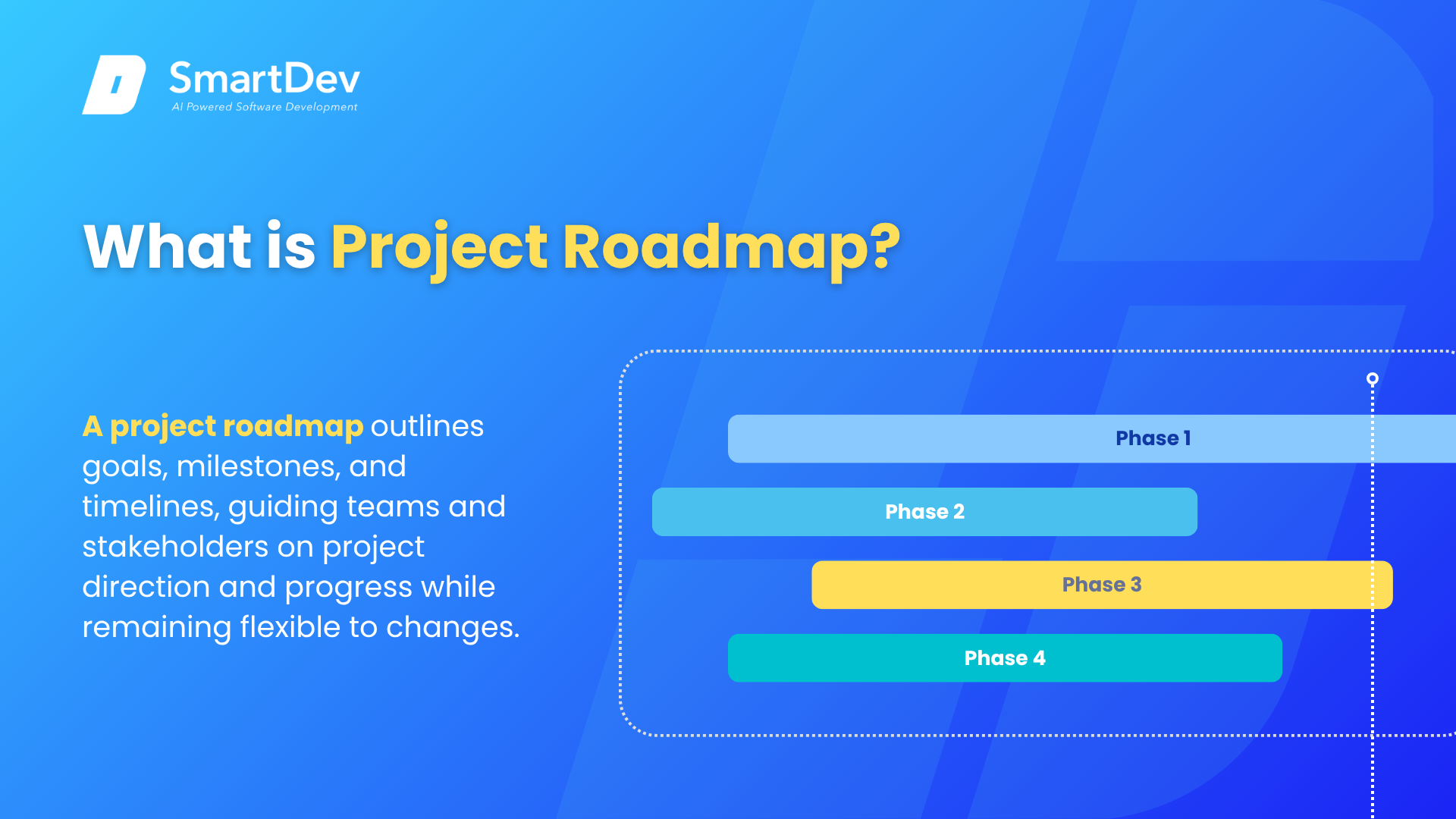
A good project roadmap is flexible and adaptable, able to accommodate changes in the project scope, timeline, and resources. It’s essential for guiding the execution of the project and ensuring it stays on track to achieve its Ziele.
Why Project Roadmaps Matter for Businesses?
Project roadmaps are critical for businesses because they provide clarity, alignment, and structure for teams. Here are the key reasons why they matter:
1. Enhanced Project Planning and Clarity
2. Improved Communication and Collaboration
3. Tracking Progress and Adjusting Plans
4. Facilitates Entscheidungsfindung
By offering a structured view of the project, a roadmap helps decision-makers evaluate potential risks and bottlenecks. It can guide decisions about resource allocation, timelines, and scope adjustments, ensuring that all decisions align with the project’s ultimate goals.
How Does a Project Roadmap Work?
A project roadmap typically follows these steps:
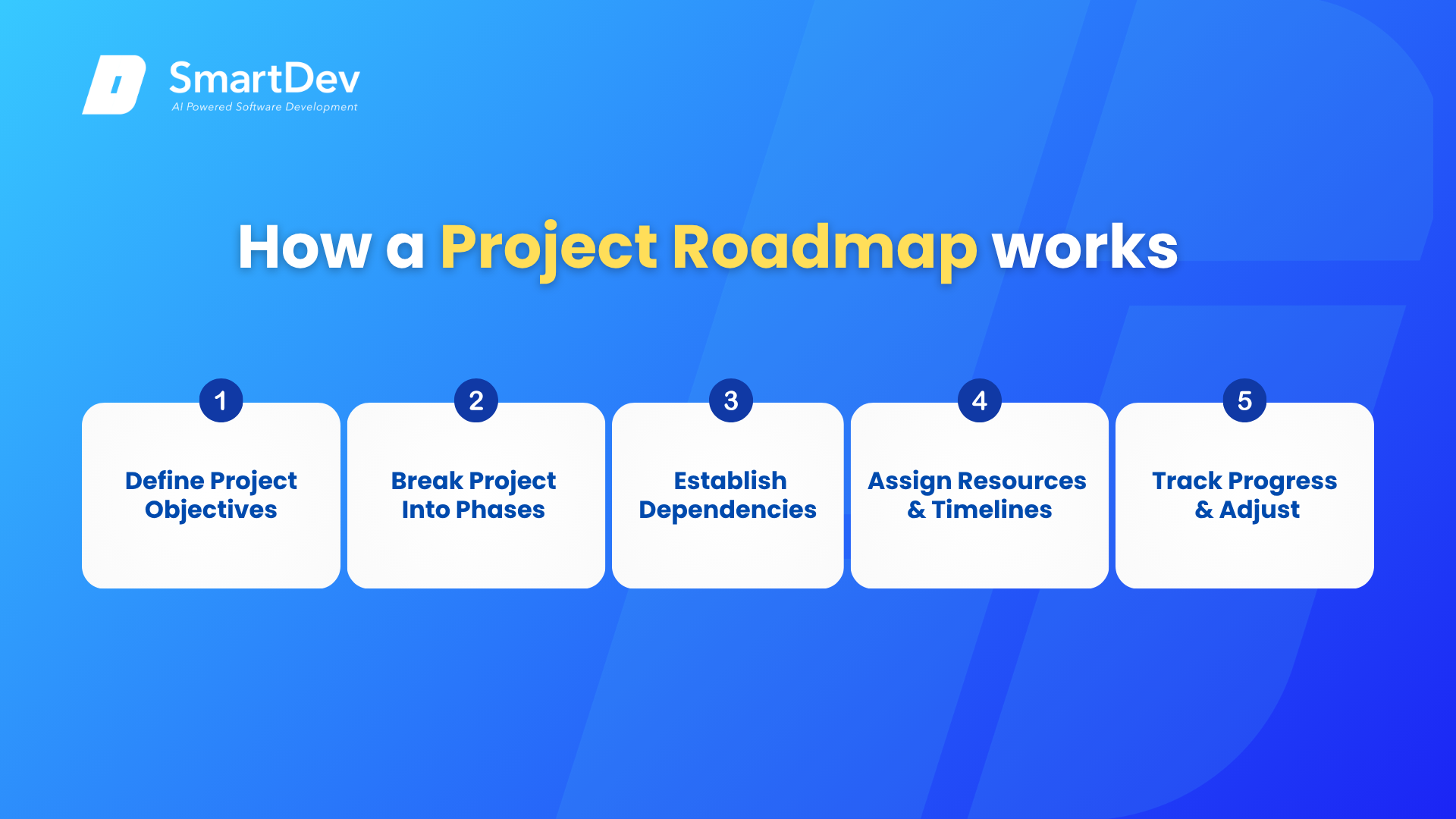
1. Define Project Objectives
The first step is Identifizierung the primary goals of the project. These could range from completing a product development cycle, launching a marketing campaign, or implementing a new system within an organization.
2. Break the Project Into Phases
Next, the project is divided into key milestones and phases. These phases darstellen the major segments of the project, from initiation to completion. Each phase is broken down into tasks, with timelines and resources erforderlich.
3. Establish Dependencies
It’s crucial to identifizieren the dependencies between tasks. Certain tasks may need to be completed before others can begin. The roadmap highlights these dependencies to ensure smooth workflow and to avoid bottlenecks.
4. Assign Resources and Timelines
For each task and milestone, teams must allocate resources and set deadlines. This helps ensure that no task is delayed due to a lack of resources and that everyone is clear on their responsibilities.
5. Track Progress and Adjust
As the project progresses, the roadmap serves as a reference point to track milestones and make necessary adjustments. If a task is delayed or requires zusätzlich resources, it can be reflected in the roadmap to keep everything aligned.
Other Related Terms
1. Project Management
The process of planning, organizing, and overseeing the execution of a project to meet specific goals within a given timeline and budget.
2. Gantt Chart
A visual representation of a project’s schedule, highlighting tasks, durations, and dependencies.
3. Agile Methodology
A flexible and iterative approach to project management that focuses on small, incremental progress, regular feedback, and adaptation.