As digital transformation accelerates across industries, one technology is beginning to stand out: Agentic AI. Unlike traditional AI models that simply respond to inputs, agentic AI can take initiative, make decisions, and carry out tasks on its own. This shift from reactive to proactive intelligence is opening a new chapter in automation – and healthcare is one of the sectors feeling its impact most strongly.
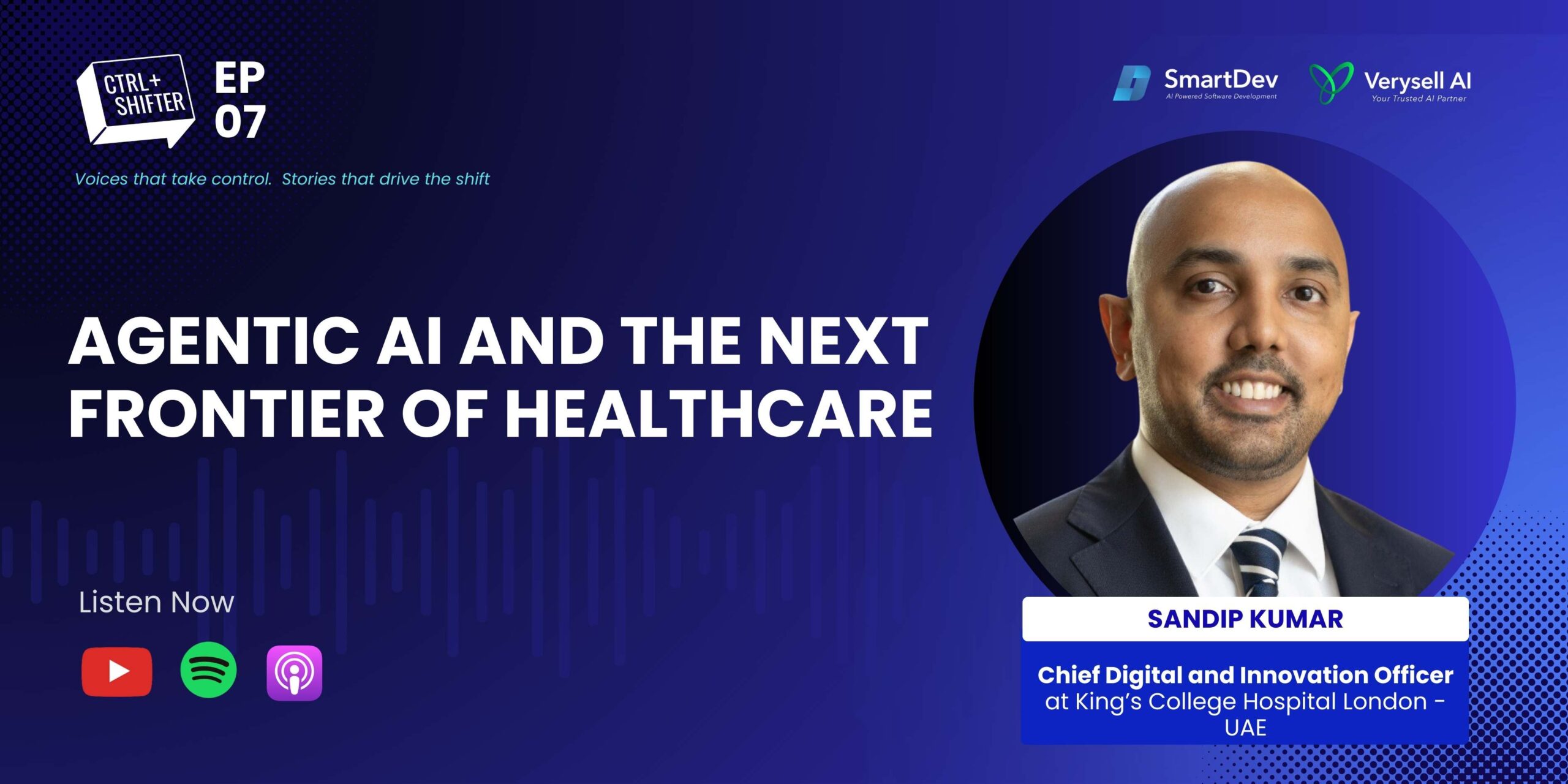
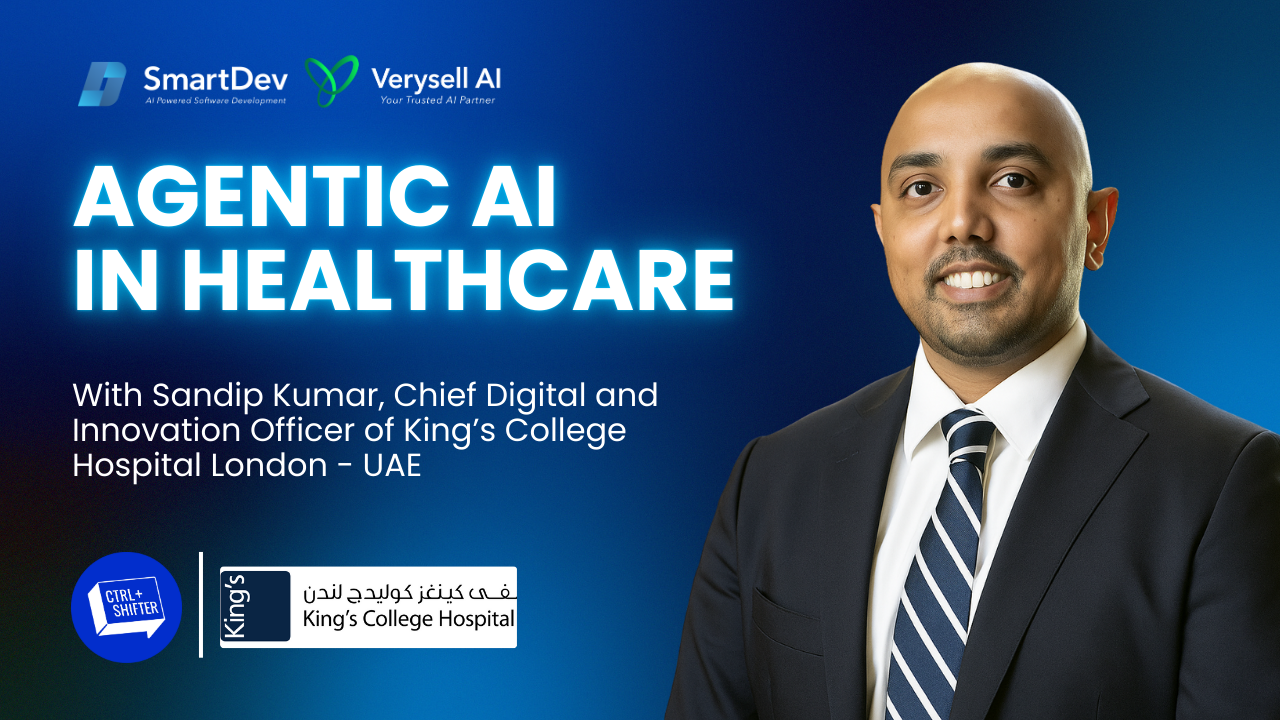
In this blog, we’ll explore what Agentic AI really means, its foundational concepts, how it works, and why it’s becoming a transformative tool in modern care delivery. We’ll also draw from real-world insights shared by Sandip Kumar, Chief Digital and Innovation Officer at King’s College Hospital London – UAE, to understand how these technologies are being applied in practice.
What is Agentic AI?
Agentic AI refers to a new class of artificial intelligence systems built to operate independently. These systems act as “agents” – digital entities that can plan, make decisions, and carry out multi-step tasks based on a defined goal.
Unlike conventional AI, which typically needs explicit instructions, agentic AI can:
- understand its objective
- determine the best steps to reach it
- execute tasks autonomously
- interpret outcomes and adjust behavior
It’s not just automation. It’s autonomy with purpose.
Key Concepts of Agentic AI
To understand the true value of Agentic AI, it helps to explore the foundational ideas that shape its capabilities. These concepts explain why agentic systems are different from traditional AI and why they unlock new possibilities across industries, especially in 健康管理.
- Autonomy: Agentic AI is designed to operate on its own. Once given a goal or task, it can analyze information, make decisions, and take action without constant human oversight. This independence allows it to function like a proactive digital assistant rather than a passive tool.
- Adaptability: One of the strengths of agentic AI is its ability to continuously learn. By observing new data, outcomes, and environmental changes, it refines its behavior over time. This adaptability helps the system stay relevant and effective even in fast-changing or high-pressure environments.
- Optimization: Agentic AI doesn’t just complete tasks – it strives to improve them. Through ongoing analysis and feedback loops, the system reduces bottlenecks, limits errors, accelerates workflows, and improves overall efficiency.
- Real-Time Decision-Making: With the ability to process large volumes of データ instantly, agentic AI can make decisions on the spot. In fields like 健康管理, where timing is crucial, real-time action can significantly improve accuracy and responsiveness.

What Are the Advantages of Agentic AI?
Agentic AI brings a wide range of benefits, and in healthcare, its impact is especially significant.
1. Reduction of Administrative Burden
Healthcare professionals spend an enormous amount of time on activities like scheduling, follow-ups, record updates, and invoicing. Agentic AI can take over many of these 反復的な作業, allowing staff to redirect more time toward clinical care and patient interaction.
2. Improved Efficiency
By streamlining complex workflows—such as patient coordination, data entry, or document processing—agentic AI helps hospitals operate more smoothly. These systems also reduce manual errors, improving overall reliability.
3. Faster Decision-Making
In clinical settings, quick decisions can save lives. Agentic AI can analyze medical data, scan trends, and provide timely insights to help clinicians make informed choices faster.
4. Cost Savings
Automation reduces labor-intensive manual work, limits mistakes that lead to costly rework, and cuts delays in operational processes. Over time, these improvements can lead to substantial financial savings for healthcare providers.

How Agentic AI Works
Agentic AI works by continuously processing data from various sources, learning from this data, and autonomously taking actions based on predefined goals or algorithms. The AI’s ability to “think” and “learn” enables it to improve over time, adapting to the needs of its environment.
In the context of a healthcare setting, for example, an agentic AI could automatically schedule patient appointments based on their medical history, availability of doctors, and hospital resources. It could even follow up with patients, remind them about tests or prescriptions, and ensure that necessary medical data is always up to date.
Examples of Agentic AI
1. Automated Scheduling Systems: Agentic AI can take over the task of scheduling patient appointments, reducing wait times and ensuring doctors’ schedules are optimized. This system can handle cancellations, reschedules, and even remind patients of their upcoming appointments.
2. Intelligent Medical Record Management: AI systems can autonomously track, update, and manage patient records, reducing the time healthcare professionals spend inputting data. They can also flag discrepancies or missing information, ensuring that patient records are always accurate and up to date.
3. Diagnostic Support Tools: In radiology or pathology, agentic AI systems can autonomously analyze imaging scans or lab results, identifying potential issues like tumors or infections and alerting doctors for further investigation.

Challenges for Agentic AI Systems
While agentic AI holds immense promise, there are still several challenges to overcome:
- データのプライバシーとセキュリティ: Given the sensitivity of healthcare data, ensuring that agentic AI systems adhere to strict data privacy and security protocols is a top priority. Unauthorized access or mishandling of medical records could have catastrophic consequences.
- Integration with Existing Systems: Many healthcare facilities still rely on legacy systems, which can be difficult to integrate with newer AI technologies. Achieving seamless interoperability between old and new systems is a major challenge.
- 倫理的な考慮: The autonomy of agentic AI raises ethical questions about accountability. For example, if an AI makes an error that leads to a misdiagnosis, who is responsible? Ensuring that these systems operate transparently and ethically is crucial for building trust.
- User Adoption: The healthcare workforce may be resistant to fully embracing agentic AI, especially if it challenges established workflows. Training staff to work alongside AI and leveraging its capabilities effectively is essential for successful implementation.
Agentic AI in Healthcare

で 健康管理, one of the most significant applications of agentic AI is its ability to reduce the administrative burden faced by clinicians, nurses, and medical staff. As Sandip Kumar, Chief Digital and Innovation Officer at King’s College Hospital London – UAE, explains in Ctrl+ shifter Podcast, healthcare workers are often burdened with excessive administration. Tasks like scheduling, follow-ups, and invoicing can take up a substantial portion of their time, diverting attention away from patient care.
Agentic AI can automate many of these mundane tasks, such as automatically sending appointment reminders, updating patient records, or even following up on unpaid invoices. By reducing the time spent on administrative duties, healthcare professionals can focus on what truly matters: providing care and making important clinical decisions.
結論
Agentic AI represents a major step forward in how organizations manage operations and deliver services. By enabling systems to act independently, learn continuously, and optimize their own workflow, agentic AI helps create environments where people can focus on higher-value work.
In healthcare, its impact goes beyond efficiency—improving staff well-being, reducing stress, and ultimately enhancing patient care. While challenges such as data security, integration, and ethics remain, the long-term potential is immense. As hospitals and industries continue to innovate, agentic AI will play an increasingly central role in shaping a smarter, more responsive future.