
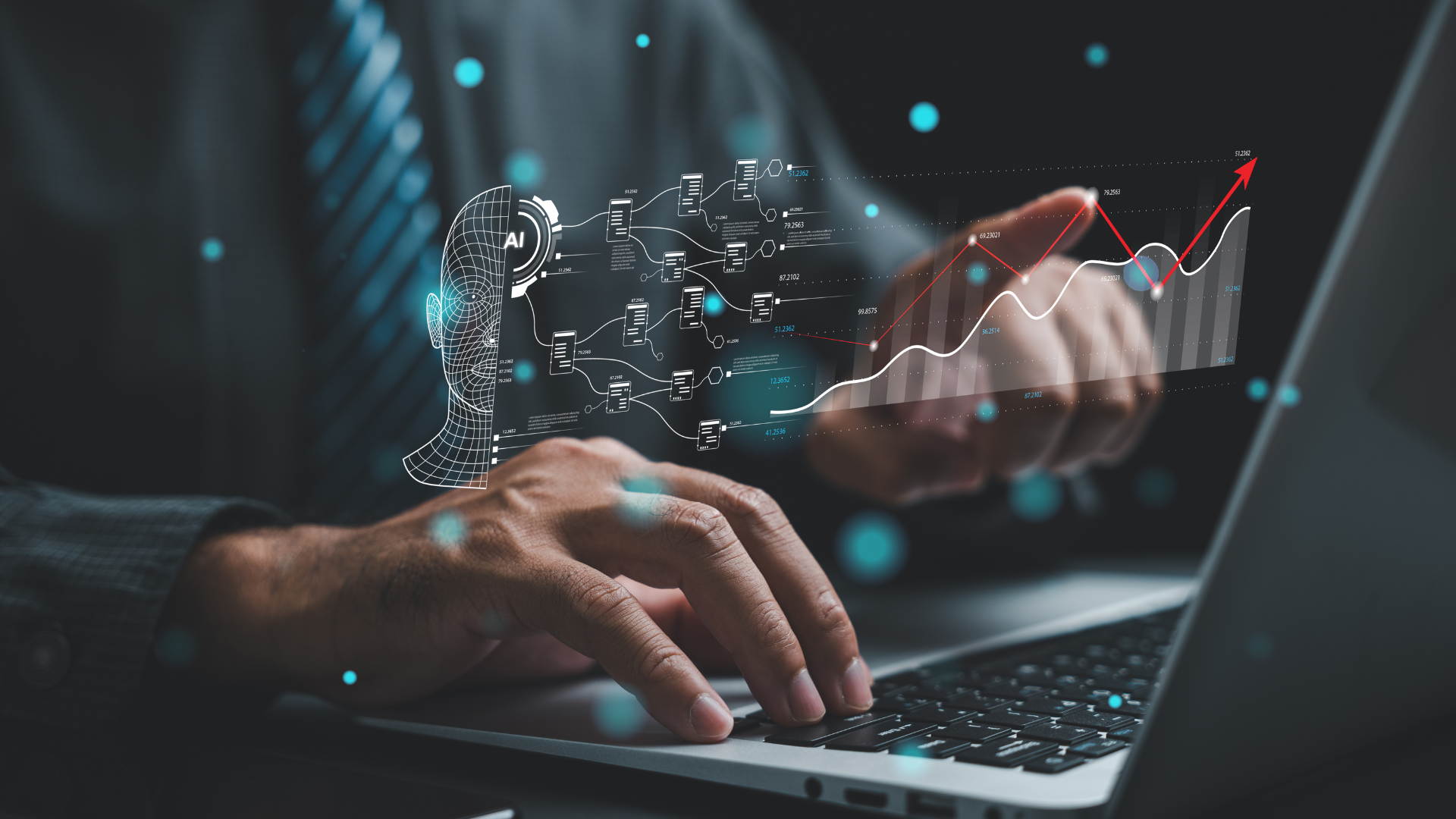
The event featured a diverse range of AI startups applying advanced technologies to real-world business challenges, including innovations relevant to AI in Trade Finance. Notable solutions included BIM Scanner for mobile 3D modeling and DementiaBuddy, a platform designed to support dementia care through intelligent monitoring and assistance.
Other showcased platforms focused on AI-powered product demos, sales enablement, and workflow automation, reflecting how AI is increasingly embedded in everyday business operations. These developments highlight the growing role of AI in Trade Finance and other enterprise functions, where intelligent automation is improving efficiency, accuracy, and decision-making at scale.
What Is AI and Why Does It Matter in Trade Finance?
Definition of AI and Its Core Technologies
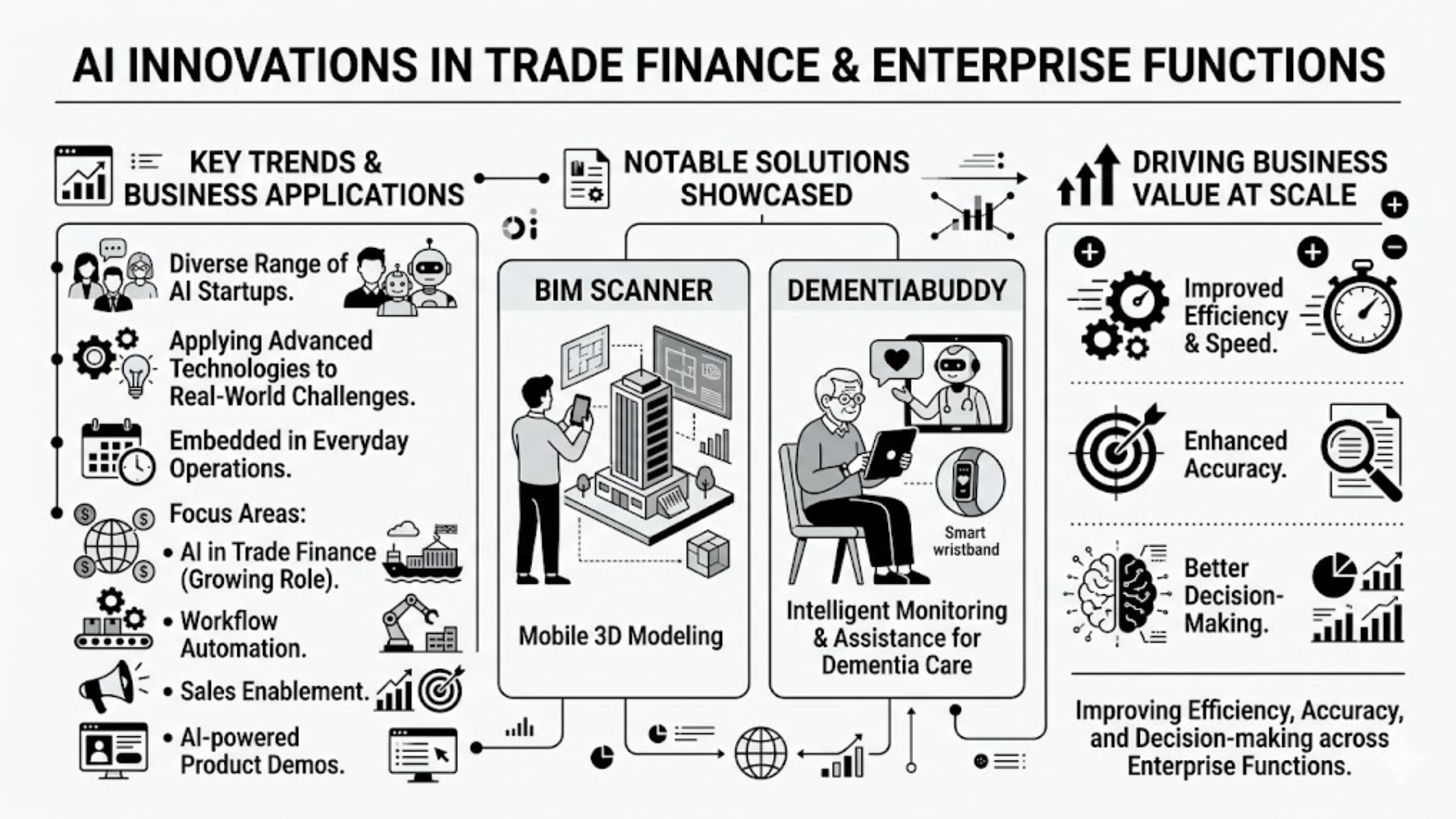
Artificial Intelligence (AI) simulates human cognitive capabilities within computational systems, enabling machines to learn, reason, solve problems, and interpret natural language. In modern financial services, AI functions as an integrated ecosystem powered by several core technologies.
Machine learning algorithms create a predictive backbone by analyzing large volumes of historical transaction data. These systems identify patterns, forecast market fluctuations, and assess counterparty credit risk with increasing precision. Natural language processing (NLP) allows machines to understand and generate human language, helping financial institutions analyze complex legal documents, extract critical clauses, and automate multilingual communication.
In parallel, computer vision and optical character recognition (OCR) connect physical and digital workflows. These technologies convert unstructured documents into usable data, enabling systems to authenticate handwritten records, process shipping documents, and digitize trade-related paperwork with high accuracy.
Together, these technologies form the foundation of AI in Trade Finance, enabling smarter, faster, and more reliable operations across the financial ecosystem.
The Growing Role of AI in Transforming Trade Finance
Traditional trade finance processes rely heavily on manual workflows and fragmented systems to manage instruments such as letters of credit, guarantees, and documentary collections. Financial institutions process billions of paper documents globally, which extends transaction cycles to an average of over 50 days and constrains working capital for businesses.
AI in Trade Finance is transforming this outdated model by replacing manual verification with real-time, data-driven decision-making. AI systems analyze and validate trade documents within seconds, eliminating the need for time-consuming manual checks. Instead of relying on human intervention to compare shipping data against compliance requirements, intelligent systems perform these tasks instantly and with greater accuracy.
This shift allows financial institutions to streamline operations, reduce costs, and improve risk management. More importantly, AI in Trade Finance enables businesses to accelerate transaction cycles, enhance liquidity, and unlock new growth opportunities in areas such as open account trading and structured finance.
By embedding intelligence into every stage of the process, AI is no longer just a supporting tool, it is becoming a strategic driver of innovation and efficiency in global trade finance.
Key statistics or trends highlighting AI adoption in Trade Finance
The velocity of AI adoption within global banking networks highlights a rapid and permanent technological pivot. Institutions that fail to integrate these capabilities face severe competitive disadvantages as transaction volumes scale beyond the capacity of human processing.
| Metric / Trend | Data Point & Strategic Implication | |
| Current Adoption Rates | Approximately one-third of global banks are actively deploying AI or machine learning in live client trade finance transactions in 2024. | |
| Projected Adoption Growth | The deployment of AI in live trade environments is projected to escalate rapidly, reaching 45% of all institutions by 2025. | |
| Time and Labor Savings | Intelligent automation and AI-driven document processing successfully cut average handling times by 60%, releasing 50% of FTEs for strategic tasks. | |
| Macroeconomic Impact | The World Trade Organization projects that AI-led logistics and compliance could boost global cross-border trade flows by 34% to 37% by 2040. | |
| Market Expansion | The global AI in trade finance market is expanding aggressively, forecasted to grow from $1.2 billion in 2022 to $3.6 billion by 2027 (a 20.1% CAGR). |
Business Benefits of AI in Trade Finance
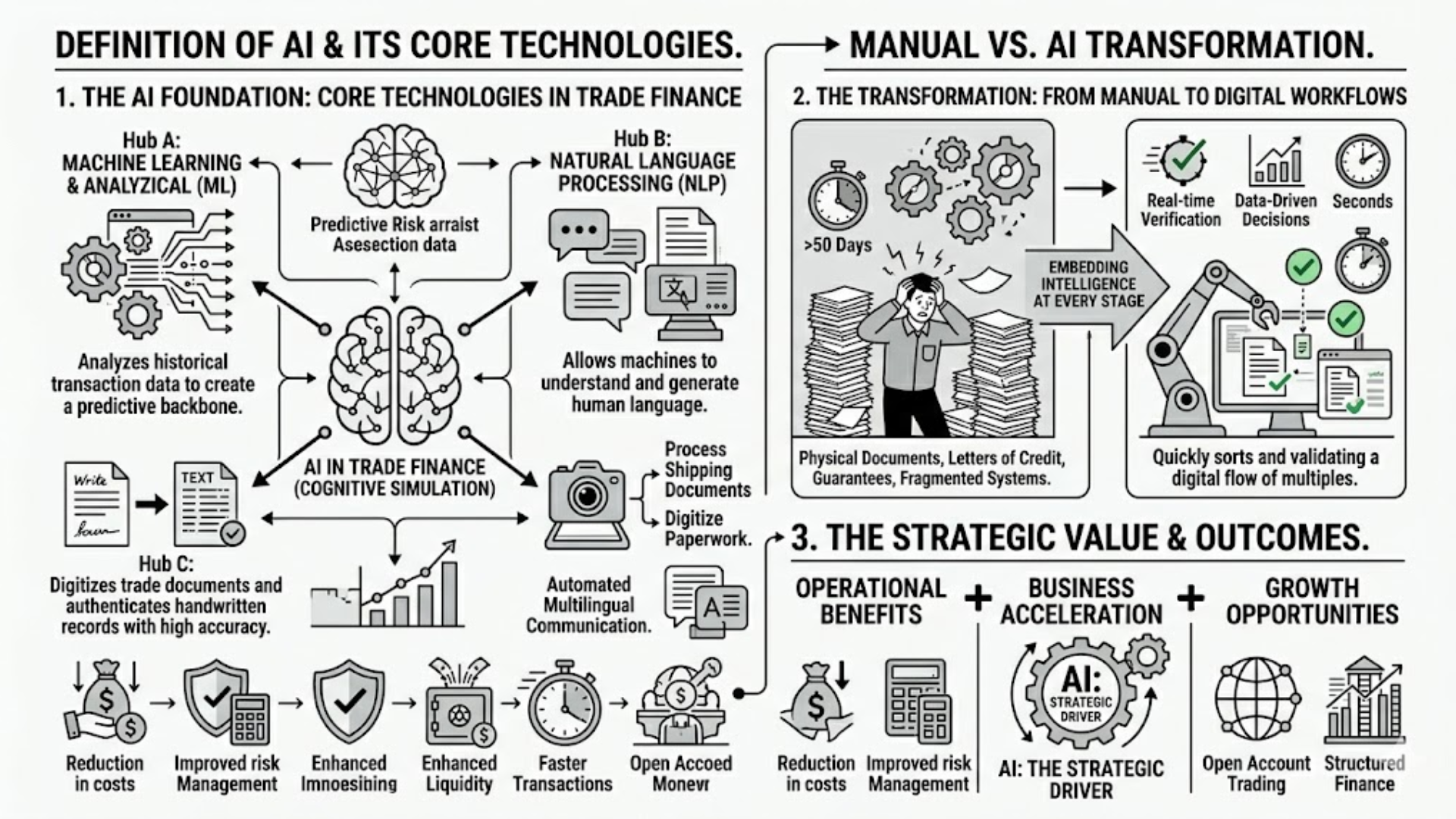
The adoption of intelligent technologies is delivering measurable impact across the trade lifecycle. Beyond theoretical potential, AI in Trade Finance creates tangible value through efficiency, cost optimization, smarter decision-making, and enhanced risk control.
Accelerating Operational Efficiency
Financial institutions use AI in Trade Finance to automate the processing of document-heavy transactions, including bills of lading, commercial invoices, and packing lists. Machine learning and natural language processing extract structured data from scanned files and unstructured text with high accuracy.
This automation reduces document processing time by 40% to 80%, depending on transaction complexity. Tasks that previously required weeks can now be completed within hours. As a result, banks handle higher transaction volumes without expanding back-office teams, accelerating trade cycles and improving global supply chain liquidity.
Driving Sustainable Cost Optimization
Banks significantly reduce operational costs by implementing AI in Trade Finance. Automation eliminates manual data entry, document reconciliation, and basic compliance checks, which traditionally consume substantial human resources.
AI-driven systems can lower operating costs by up to 40%. At the same time, they reduce human error rates by 40% to 60%, minimizing costly mistakes such as incorrect data entries, delayed shipments, or regulatory penalties. These improvements directly enhance profit margins and increase overall return on investment.
Enabling Data-Driven Decision Intelligence
AI in Trade Finance enables financial institutions to move from reactive processes to proactive, data-driven strategies. Advanced algorithms analyze large volumes of structured and unstructured data in real time, delivering continuous risk assessments and actionable insights.
Instead of relying on static evaluations, banks monitor counterparty risk dynamically throughout the transaction lifecycle. AI systems detect anomalies, track market fluctuations, and assess external factors such as geopolitical risks. This capability allows institutions to optimize working capital, improve liquidity management, and make faster, more accurate decisions in complex market conditions.
Unlocking New Market Opportunities
One of the most significant advantages of AI in Trade Finance lies in its ability to expand access to financing. Traditional credit models often exclude small and medium-sized enterprises (SMEs) due to limited financial history or collateral.
AI overcomes this limitation by analyzing alternative data sources, including transaction records, digital invoices, and payment behaviors. These insights help build comprehensive credit profiles, enabling banks to serve previously underserved businesses. By unlocking new customer segments, financial institutions gain a strong competitive edge and tap into high-growth market opportunities.
Strengthening Risk Control and Compliance
Fraud and compliance risks remain major challenges in global trade. AI in Trade Finance strengthens risk management by continuously monitoring transaction patterns and verifying data across multiple sources.
AI systems detect irregularities such as duplicate invoicing, forged documents, and unusual pricing structures with accuracy levels often exceeding 95%. They also automate compliance checks against international regulations and sanctions lists. This real-time monitoring reduces financial losses, ensures regulatory compliance, and protects institutional reputation.
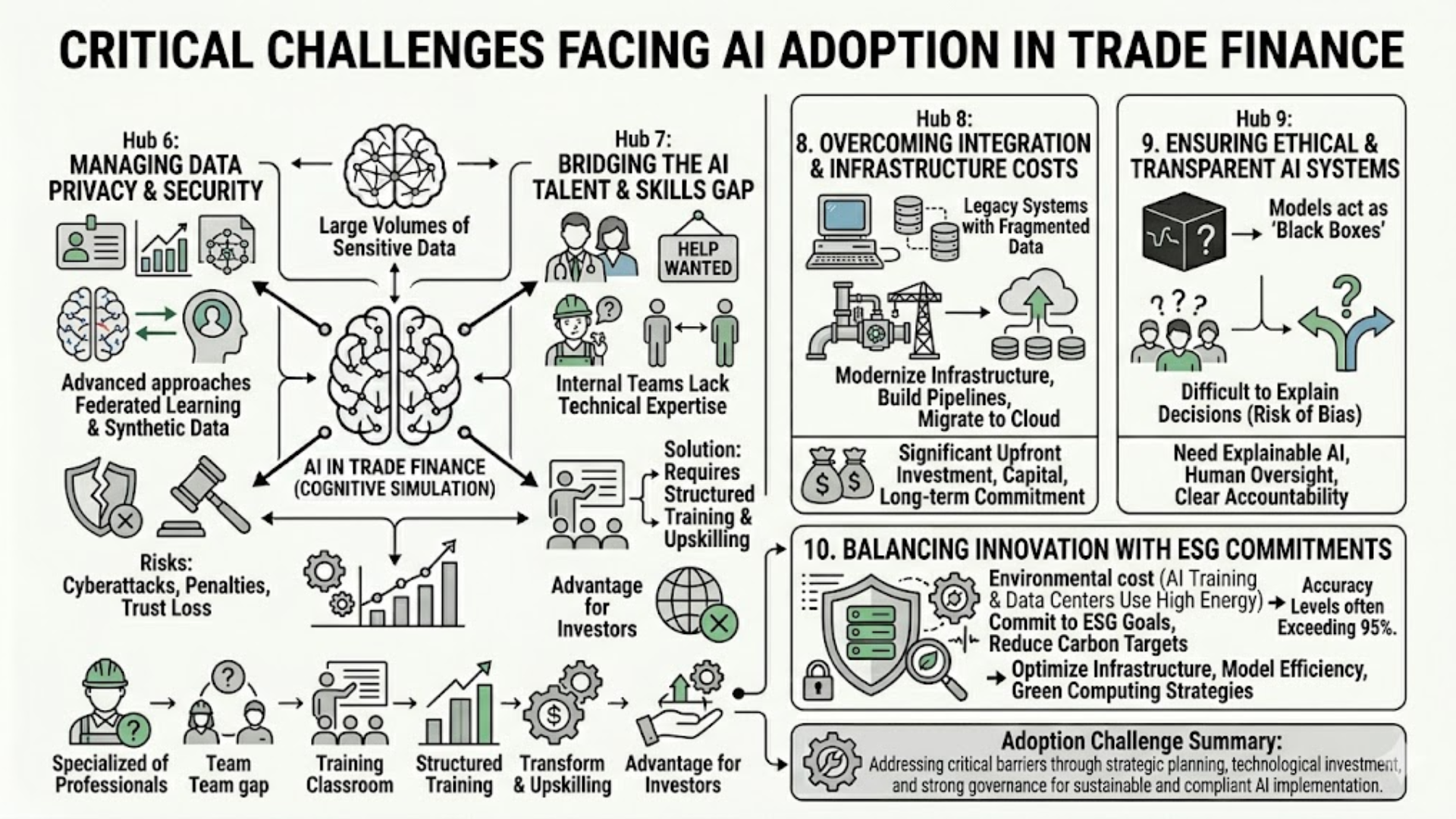
Challenges Facing AI Adoption in Trade Finance
While the advantages are clear, organizations must address several critical barriers before they can fully realize the potential of AI in Trade Finance. These challenges require strategic planning, technological investment, and strong governance to ensure sustainable and compliant implementation.
Managing Data Privacy and Security Risks
AI in Trade Finance depends on large volumes of sensitive data, including personal information, pricing structures, and supply chain details. Financial institutions must protect this data across multiple jurisdictions with strict regulatory requirements.
To reduce risk, organizations adopt advanced approaches such as federated learning and synthetic data generation. These methods allow AI models to learn from data without exposing sensitive information directly. Without strong data protection frameworks, institutions risk cyberattacks, regulatory penalties, and loss of client trust.
Bridging the AI Talent and Skills Gap
The successful deployment of AI in Trade Finance requires highly specialized talent, including data scientists, machine learning engineers, and AI governance experts. However, the global shortage of skilled professionals makes recruitment highly competitive.
At the same time, internal teams often lack the technical expertise needed to work with AI systems. Without structured training programs and effective change management, employees may resist adoption or struggle to adapt. Organizations that invest in upskilling and workforce transformation will gain a clear advantage in AI implementation.
Overcoming Integration and Infrastructure Costs
Implementing AI in Trade Finance involves significant upfront investment. Many banks operate on legacy systems with fragmented data stored across outdated platforms, making integration complex and costly.
To enable AI at scale, institutions must modernize infrastructure, build reliable data pipelines, and migrate toward cloud-based architectures. This process requires substantial capital and long-term commitment. Organizations that treat AI as a simple add-on often fail to achieve meaningful results or return on investment.
Ensuring Ethical and Transparent AI Systems
Transparency plays a critical role in financial decision-making. However, some AI models operate as “black boxes,” making it difficult to explain how decisions are made.
In AI in Trade Finance, this lack of explainability can create serious risks, including biased outcomes or unfair credit decisions. Regulators increasingly require explainable AI, human oversight, and clear accountability frameworks. Institutions must ensure that AI systems operate fairly, transparently, and in alignment with regulatory standards.
Balancing Innovation with ESG Commitments
Although AI in Trade Finance can improve efficiency and sustainability, it also introduces environmental challenges. Training AI models and running large-scale data centers require significant energy consumption.
As financial institutions commit to environmental, social, and governance (ESG) goals, they must balance innovation with carbon reduction targets. Optimizing infrastructure, improving model efficiency, and adopting green computing strategies will be essential to align AI adoption with sustainability objectives.
Core AI Use Cases in Trade Finance
To understand how technology reshapes the financial ecosystem, it is essential to explore the key applications of AI in Trade Finance. These use cases highlight how AI functions as a foundational layer across operations, enabling automation, intelligence, and real-time decision-making.
Intelligent Document Processing
Intelligent Document Processing forms the backbone of AI in Trade Finance. Trade operations generate massive volumes of unstructured data, including contracts, invoices, emails, and shipping documents.
AI combines optical character recognition (OCR), computer vision, and natural language processing to read and interpret this data. Instead of simply digitizing documents, these systems understand context and relationships between data fields. They can automatically extract key information such as counterparty details, transaction values, incoterms, and shipment dates.
By eliminating manual data entry, financial institutions accelerate processing speed, improve accuracy, and ensure seamless integration with core banking systems.
Predictive Risk Intelligence
AI in Trade Finance transforms risk management by shifting from reactive analysis to proactive forecasting. Traditional models rely on historical data and periodic reviews, which limit responsiveness in dynamic markets.
AI-powered predictive analytics continuously process real-time data, including macroeconomic indicators, market trends, and supply chain disruptions. These insights enable institutions to anticipate risks, adjust credit exposure, and optimize portfolio performance.
With predictive intelligence, banks can mitigate potential losses earlier and make more informed, forward-looking decisions.
Autonomous Workflow Orchestration
The evolution of AI in Trade Finance introduces autonomous workflow automation, where AI systems act as digital operators. These systems manage multi-step processes based on predefined rules and real-time inputs.
For example, when discrepancies appear between transaction documents, AI systems can initiate corrective actions automatically. They can generate queries, communicate with relevant stakeholders, and pause transactions until issues are resolved.
This level of automation reduces operational delays, improves efficiency, and ensures consistency across complex workflows.
Real-Time Compliance and Anomaly Detection
Compliance remains a critical component of global trade, and AI in Trade Finance significantly enhances this function. AI systems continuously monitor transactions, analyze behavioral patterns, and verify data against regulatory requirements.
They can identify suspicious activities such as unusual transaction volumes, inconsistent pricing, or high-risk routing paths. At the same time, AI reduces false positives by understanding transaction context more effectively than traditional rule-based systems.
This capability allows compliance teams to focus on genuine risks, improve regulatory adherence, and protect institutions from financial and reputational damage.
Ready to reduce your trade finance document processing times by up to 85%? Let’s uncover whether intelligent document processing or agentic AI delivers the best ROI for your enterprise.
SmartDev helps financial institutions evaluate and deploy AI-driven automation solutions that reduce manual handling, lower operational costs, and accelerate production-ready performance—without compromising compliance or accuracy.
Compare technology architectures, optimize your IT budget, and choose the strategy that maximizes ROI with SmartDev’s enterprise AI implementation expertise.
Talk to an AI Strategy ExpertSpecific Applications of AI in Trade Finance
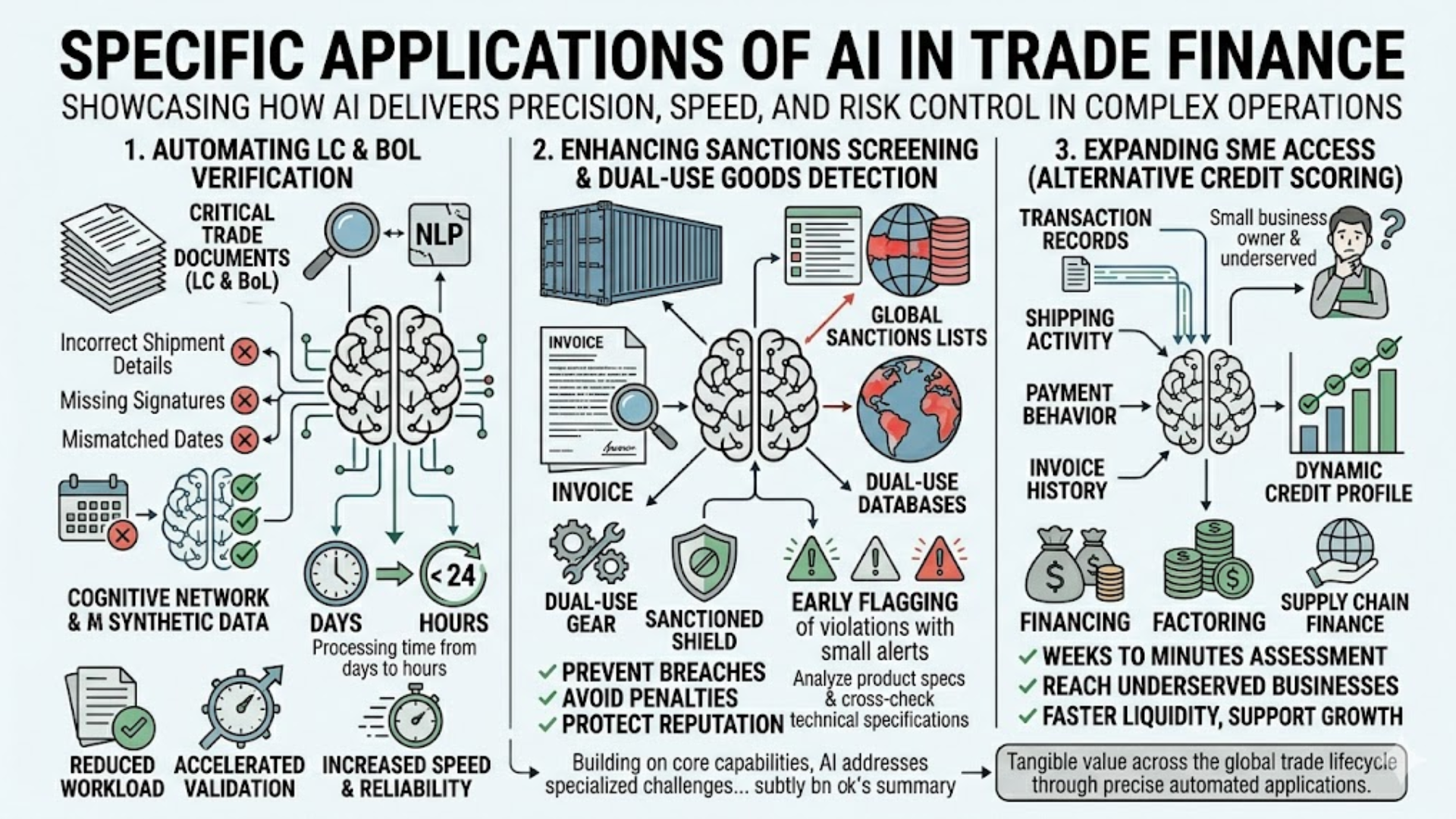
Building on its core capabilities, AI in Trade Finance addresses highly specialized challenges across the global trade lifecycle. These applications demonstrate how AI delivers precision, speed, and risk control in complex financial operations.
Automating Letter of Credit and Bill of Lading Verification
AI in Trade Finance significantly improves the verification of critical trade documents such as Letters of Credit (LCs) and Bills of Lading (BoL). These instruments require strict compliance with international standards, where even minor discrepancies can delay payments.
AI systems automatically compare digitized Bills of Lading with the original Letter of Credit terms in real time. Natural language processing identifies inconsistencies such as incorrect shipment details, missing signatures, or mismatched dates. This automation reduces manual workload and accelerates document validation.
In practice, financial institutions have already demonstrated the impact of this approach. By applying AI-driven verification to digital trade documents, banks have reduced processing time from several days to as little as 24 hours, significantly improving transaction speed and reliability.
Enhancing Sanctions Screening and Dual-Use Goods Detection
Global trade regulations require strict monitoring of military dual-use goods and sanctioned entities. AI in Trade Finance strengthens this process by analyzing complex product descriptions and identifying potential compliance risks.
AI systems interpret technical specifications within commercial invoices and cross-check them against global sanctions lists and dual-use databases. This capability enables accurate identification of restricted goods that may otherwise go unnoticed in manual reviews.
Many financial institutions now deploy AI-powered screening tools to monitor transactions in real time. These systems flag potential violations at an early stage, helping banks prevent regulatory breaches, avoid penalties, and protect their reputation.
Expanding SME Access Through Alternative Credit Scoring
One of the most impactful applications of AI in Trade Finance is alternative credit scoring for small and medium-sized enterprises (SMEs). Traditional credit models often fail to assess SMEs due to limited financial history.
AI addresses this gap by analyzing alternative data sources such as transaction records, shipping activity, payment behavior, and invoice history. These insights enable the creation of dynamic and accurate credit profiles.
As a result, financial institutions can extend financing solutions such as factoring and supply chain finance to previously underserved businesses. In real-world implementations, AI-powered platforms have reduced credit assessment times from weeks to minutes, providing faster access to liquidity and supporting global trade growth.
Examples of AI in Trade Finance
The transition from theoretical architecture to operational reality is best demonstrated through quantifiable enterprise case studies and an examination of the innovative vendor ecosystem facilitating these solutions.
Real-World Case Studies
Financial institutions that have committed to full-scale AI integration are currently realizing unprecedented returns on their technological investments. The implementation of AI to handle document validation and workflow routing has yielded distinct, measurable success metrics across the sector.
| Financial Institution / Entity | AI Implementation Focus | Success Metrics & Outcomes | |
| Lloyds Bank | End-to-end digital documentary collections using eBLs and automated verification. | Transaction cycle time was compressed drastically, dropping from an average of 15 days to just 24 hours. | |
| DBS Bank | Comprehensive automation of trade finance document processing workflows and data extraction. | Achieved an 85% reduction in processing time; a 40% decrease in total operating costs; and human error rates plummeted to 0.8%. | |
| Bruckner Group | Intelligent automation of the Letter of Credit price confirmation and approval workflow. | Realized 30% to 40% in direct cost savings; transformed a sluggish 5-day cycle into a highly rapid digital process. |
Innovative AI Solutions in Trade Finance
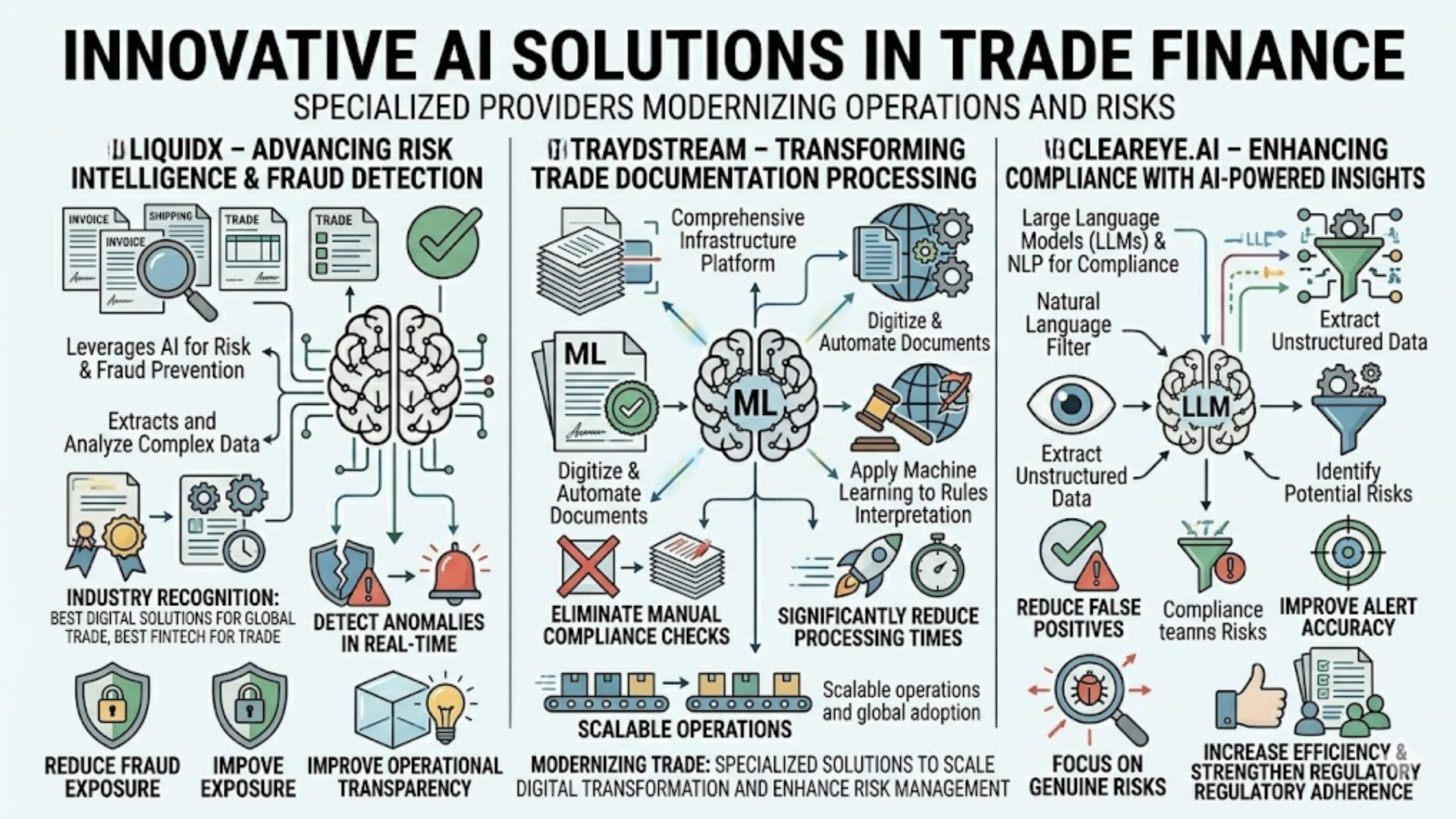
The rapid evolution of the fintech ecosystem has introduced a new generation of specialized providers delivering advanced capabilities for AI in Trade Finance. These solutions enable financial institutions to modernize operations, enhance risk management, and scale digital transformation across global trade.
LiquidX – Advancing Risk Intelligence and Fraud Detection
LiquidX leverages AI in Trade Finance to strengthen risk management and fraud prevention. Its platform uses advanced algorithms to extract and analyze complex data from invoices, shipping documents, and trade records.
By automating compliance reporting and detecting anomalies in real time, LiquidX helps institutions reduce fraud exposure and improve operational transparency. The company’s contribution to trade digitization has earned industry recognition, including awards for Best Digital Solutions for Global Trade and Best Fintech for Trade in recent years.
Traydstream – Transforming Trade Documentation Processing
Traydstream provides a comprehensive infrastructure platform designed to digitize and automate trade documentation. Its solution applies machine learning to interpret complex international trade rules and validate documents with high accuracy.
This approach allows banks to eliminate manual compliance checks and significantly reduce processing times. By streamlining documentation workflows, Traydstream enables scalable operations and accelerates the global adoption of AI in Trade Finance.
Cleareye.ai – Enhancing Compliance with AI-Powered Insights
Cleareye.ai focuses on applying large language models to solve complex challenges in trade finance. Its platform uses natural language processing to extract unstructured data from financial documents and identify potential compliance risks.
A key strength of Cleareye.ai lies in its ability to reduce false positives in compliance monitoring. By improving alert accuracy, the platform allows compliance teams to focus on genuine risks, increasing efficiency and strengthening regulatory adherence.
AI-Driven Innovations Transforming Trade Finance
The evolution of AI in Trade Finance is moving far beyond basic automation. New technological advancements are enabling financial institutions to generate insights, create content, and interact with data in fundamentally different ways. Among these innovations, generative AI and computer vision stand out as key drivers of transformation.
Emerging Technologies in AI for Trade Finance
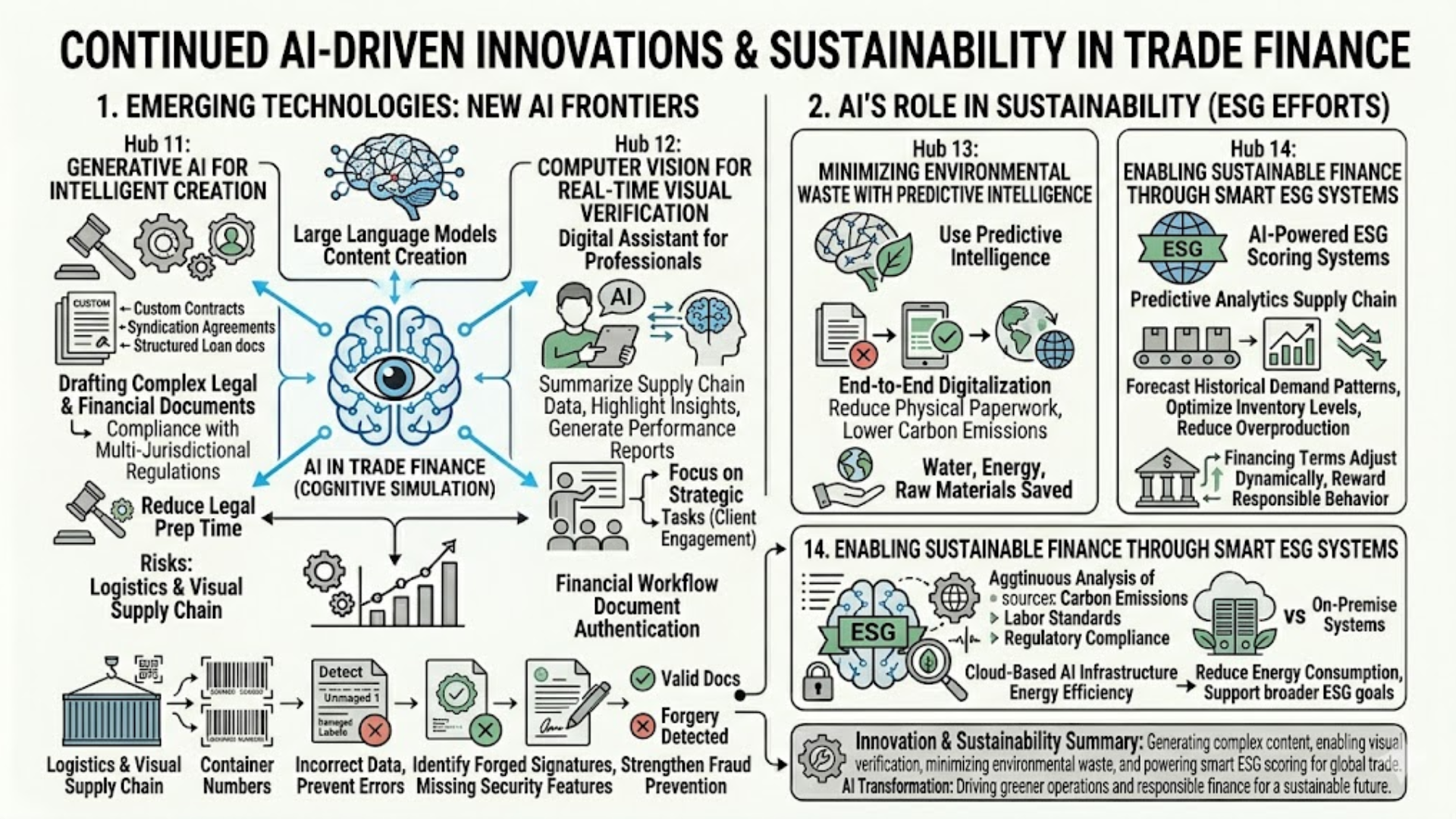
Generative AI for Intelligent Content Creation
Generative AI represents a major leap forward in AI in Trade Finance by enabling systems not only to analyze data but also to create new, context-aware content. Powered by large language models, this technology can automatically generate complex legal and financial documents.
In trade finance, generative AI helps draft customized contracts, syndication agreements, and structured loan documents that comply with multi-jurisdictional regulations. This capability significantly reduces the time required for legal preparation and documentation.
Beyond documentation, generative AI also supports decision-making. It acts as a digital assistant for trade professionals by summarizing extensive supply chain data, highlighting key financial insights, and generating performance reports. As a result, relationship managers and analysts can focus on strategic tasks such as client engagement and deal structuring instead of manual data analysis.
Computer Vision for Real-Time Visual Verification
Computer vision plays a critical role in bridging physical trade operations with digital financial systems. Within AI in Trade Finance, this technology enables machines to interpret and analyze visual data with high speed and accuracy.
In logistics, computer vision systems scan shipping labels, barcodes, and container numbers in real time. These systems verify data against expected standards, detect damaged or incorrect labels, and prevent errors before goods move through the supply chain.
In financial workflows, computer vision enhances document authentication. It can identify forged signatures, detect missing security features, and validate physical documents such as bills of exchange. This capability strengthens fraud prevention and ensures higher levels of trust in trade transactions.
AI’s Role in Sustainability Efforts
As sustainability becomes a central priority in global trade, AI in Trade Finance plays a critical role in helping financial institutions meet environmental, social, and governance (ESG) standards. By combining data intelligence with automation, AI enables greener operations and more responsible financing decisions.
Minimizing Environmental Waste with Predictive Intelligence
Traditional trade finance relies heavily on paper-based processes, generating billions of printed documents each year. This system consumes significant natural resources, including water, energy, and raw materials, while also increasing carbon emissions through transportation and storage.
AI in Trade Finance addresses this issue by enabling end-to-end digitalization. Intelligent document processing eliminates the need for physical paperwork, reducing both operational friction and environmental impact. A fully digital transaction can significantly lower carbon emissions compared to traditional methods.
In addition, predictive analytics enhances sustainability across supply chains. AI systems analyze historical demand patterns and market trends to forecast future needs with high accuracy. This allows businesses to optimize inventory levels, reduce overproduction, and minimize waste associated with unsold goods.
Enabling Sustainable Finance Through Smart ESG Systems
AI in Trade Finance also transforms how financial institutions evaluate and support sustainable business practices. AI-powered ESG scoring systems provide detailed insights into the environmental and social impact of companies across global supply chains.
These systems aggregate data from multiple sources, including public disclosures, operational reports, and external databases. By continuously analyzing factors such as carbon emissions, labor standards, and regulatory compliance, AI enables real-time sustainability assessments.
With these insights, banks can develop innovative financial products such as sustainability-linked trade finance solutions. In these models, financing terms adjust dynamically based on a company’s ESG performance, rewarding environmentally responsible behavior and encouraging continuous improvement.
At the same time, cloud-based AI infrastructure improves energy efficiency. Compared to traditional on-premise systems, modern cloud environments can significantly reduce energy consumption, supporting broader corporate sustainability goals.
AI’s Role in Sustainability Efforts
As global supply chains face increasing regulatory pressure and consumer scrutiny, AI in Trade Finance is becoming a key enabler of sustainable transformation. By combining predictive analytics with real-time data intelligence, AI helps financial institutions enforce ESG standards and accelerate the shift toward green finance.
Reducing Environmental Waste with Predictive Analytics
Legacy trade finance systems rely heavily on paper-based processes, generating billions of physical documents each year. This approach consumes significant resources, including water, energy, and logistics costs associated with printing and transportation.
AI in Trade Finance eliminates these inefficiencies through end-to-end digitalization. Intelligent document processing replaces manual paperwork with automated workflows, significantly reducing environmental impact. A single paperless transaction can cut carbon emissions by tens of kilograms compared to traditional processes.
Beyond digitization, AI enhances supply chain efficiency through predictive analytics. By analyzing historical consumption data and market demand patterns, AI systems help businesses align production with actual needs. This reduces excess inventory, minimizes waste, and prevents the environmental damage caused by overproduction and unsold goods.
Optimizing Energy Use and Enabling Green Finance
AI in Trade Finance also plays a strategic role in directing capital toward sustainable initiatives. AI-powered ESG scoring systems allow financial institutions to evaluate companies based on detailed environmental and social performance metrics.
These systems process diverse data sources, including corporate disclosures, public databases, and even satellite imagery, to assess factors such as carbon emissions, labor practices, and regulatory compliance. With real-time insights, banks can make more informed lending decisions and support environmentally responsible businesses.
This capability enables the development of sustainability-linked trade finance solutions, where financing terms adjust based on ESG performance. Companies that meet sustainability targets benefit from better financing conditions, while those with poor performance face higher costs. This creates strong financial incentives for greener operations.
At the same time, cloud-based AI infrastructure improves energy efficiency. Compared to traditional on-premise systems, modern cloud environments significantly reduce energy consumption, helping institutions align technology adoption with their sustainability goals.
How to Implement AI in Trade Finance
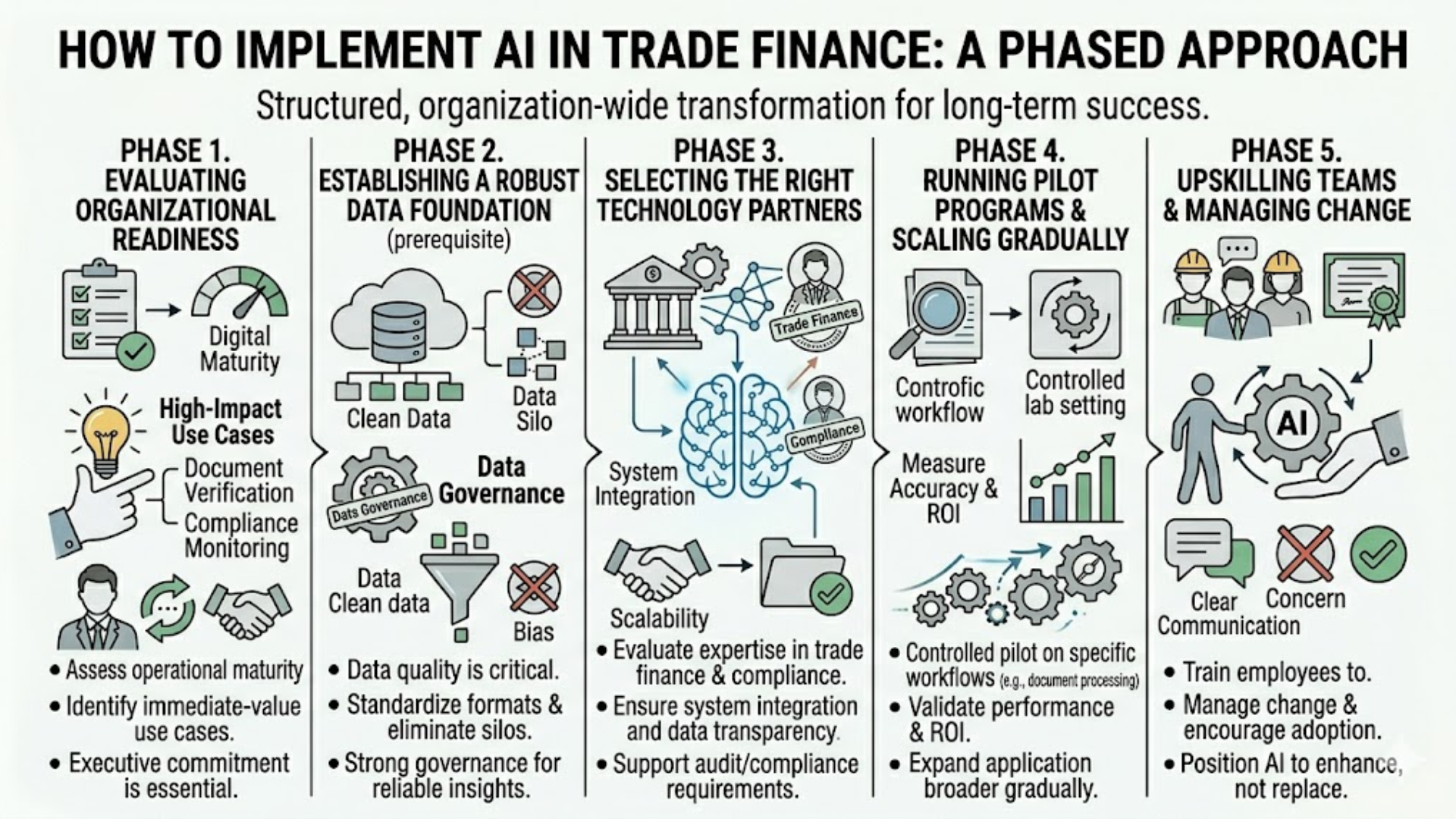
Adopting AI in Trade Finance requires more than deploying new technology, it demands a structured, organization-wide transformation. Financial institutions must follow a phased approach to minimize risk, align with business goals, and ensure long-term success.
Evaluating Organizational Readiness
Before investing in AI in Trade Finance, organizations need to assess their operational and digital maturity. This process involves identifying high-impact use cases where AI can deliver immediate value, such as document verification or compliance monitoring.
Instead of attempting large-scale transformation from the start, institutions should prioritize targeted improvements. Strong executive commitment is essential at this stage, as AI adoption requires sustained investment, clear strategic direction, and long-term vision.
Establishing a Robust Data Foundation
Data quality determines the success of any AI in Trade Finance initiative. Inconsistent, fragmented, or outdated data can significantly limit system performance and lead to inaccurate outputs.
Organizations should standardize data formats, eliminate silos, and implement strong data governance practices. Clean, well-structured datasets enable AI models to generate reliable insights and reduce the risk of bias or errors. Building this foundation is a critical prerequisite before scaling AI capabilities.
Selecting the Right Technology Partners
Choosing the right vendors plays a crucial role in the success of AI in Trade Finance. Financial institutions must evaluate partners based on their expertise in trade finance, regulatory compliance, and system integration.
Key factors include the ability to integrate with existing banking infrastructure, transparency in data usage, and support for audit and compliance requirements. Reliable partners should also provide scalable solutions that can evolve alongside business needs.
Running Pilot Programs and Scaling Gradually
A phased implementation approach helps organizations reduce risk and validate outcomes. Institutions should begin with controlled pilot projects focused on specific workflows, such as automating document processing for a single trade instrument.
These pilots allow teams to test system performance, measure accuracy, and evaluate return on investment. Once the solution demonstrates consistent results, organizations can gradually expand its application across broader operations.
Upskilling Teams and Managing Change
The success of AI in Trade Finance depends heavily on people. Employees must understand how to work alongside AI systems and interpret their outputs effectively.
Organizations should invest in training programs that build digital skills and promote collaboration between human expertise and AI capabilities. Clear communication is also essential to address concerns about job displacement and encourage adoption.
By positioning AI as a tool that enhances human performance rather than replaces it, financial institutions can create a more adaptive and future-ready workforce.
Measuring the ROI of AI in Trade Finance
Quantifying the value of artificial intelligence requires moving beyond traditional software depreciation models and adopting dynamic, value-driven metrics that capture the full strategic impact of the technology.
Key Metrics to Track Success
To accurately gauge the success of an AI implementation, financial institutions must track a blend of operational, financial, and risk-based metrics.
| Strategic Metric Category | Specific Tracking Metrics | Value Demonstrated | |
| Productivity Improvements | Total cycle time reduction; percentage of FTEs successfully reallocated to strategic tasks; Average Handling Time (AHT) per document. | Captures direct operational speed, workflow acceleration, and the efficiency of labor reallocation. | |
| Cost Savings Achieved | Direct cost per transaction; overall gross margin improvement; reduction in the volume of false positive compliance alerts. | Highlights direct bottom-line impact and the significant reduction in wasted investigative effort by compliance officers. | |
| Risk and Governance | Model drift rate over time; overall error and defect rate; completeness of automated audit trails. | Ensures long-term regulatory defensibility, algorithmic transparency, and mathematical stability as market conditions evolve. |
Case Studies Demonstrating ROI
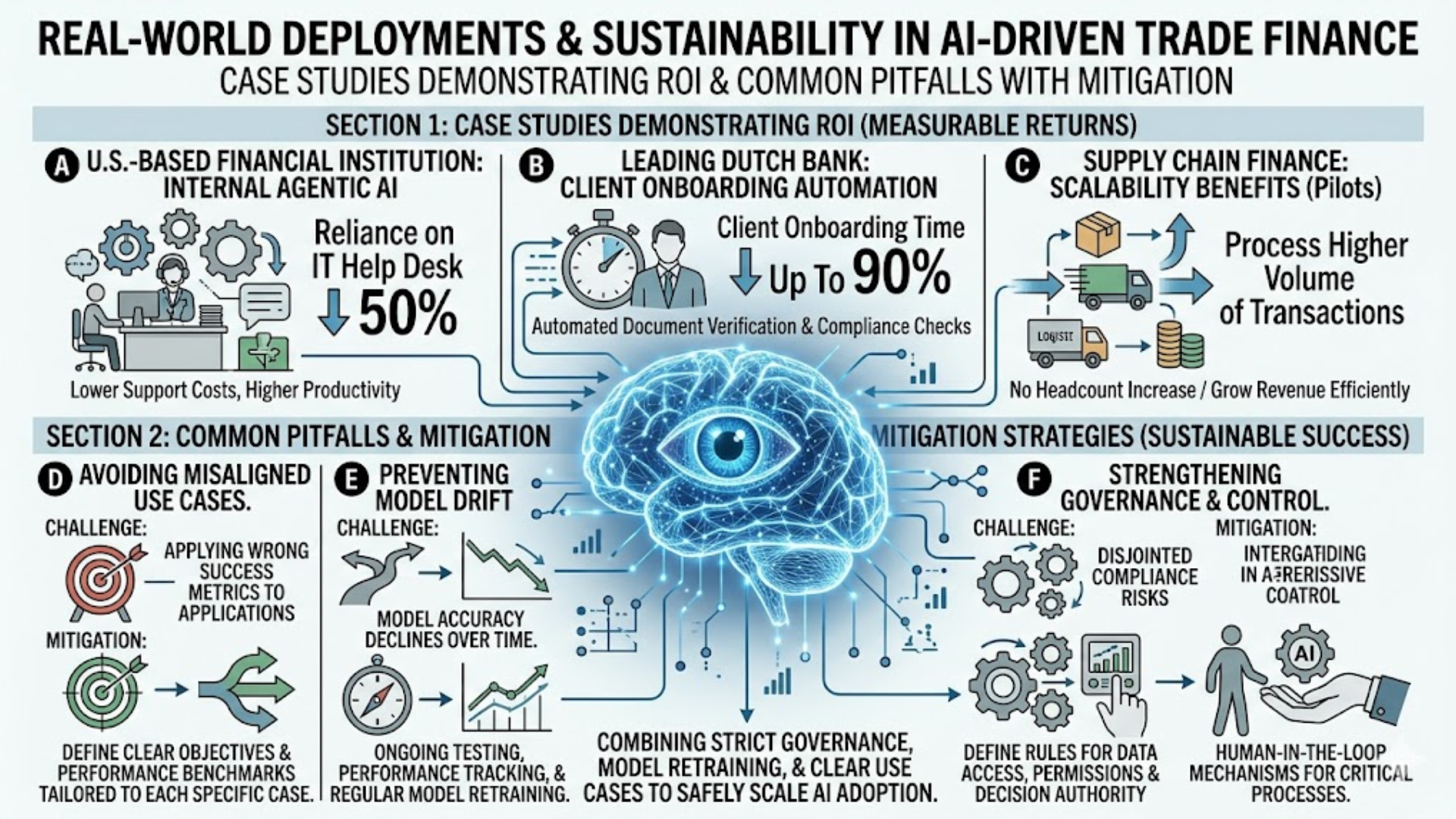
Across the industry, real-world deployments clearly show how AI in Trade Finance delivers measurable return on investment. Financial institutions that focus on targeted use cases are achieving both cost savings and revenue growth.
For example, a U.S.-based financial institution implemented agentic AI to support internal operations. The system reduced reliance on IT help desks by 50%, significantly lowering support costs and improving employee productivity.
In another case, a leading Dutch bank applied AI in Trade Finance to streamline client onboarding. By automating document verification and compliance checks, the bank reduced onboarding time by up to 90%. This improvement directly accelerated time-to-revenue while enhancing customer experience.
Additionally, AI pilots in supply chain finance consistently demonstrate scalability benefits. By removing manual bottlenecks, banks can process a much higher volume of transactions without increasing headcount. This allows institutions to grow revenue efficiently while maintaining lean operational structures.
Common Pitfalls and How to Avoid Them
While AI in Trade Finance offers significant advantages, improper implementation can introduce serious risks. Understanding common pitfalls helps organizations avoid costly mistakes and ensure sustainable success.
Avoiding Misaligned Use Cases
One major challenge is applying the wrong success metrics to different AI applications. Not all AI systems operate under the same conditions.
For instance, a higher false-positive rate may be acceptable in fraud detection, where human teams can review alerts. However, the same margin of error would be unacceptable in automated trade execution. Organizations must define clear objectives and performance benchmarks tailored to each specific use case.
Preventing Model Drift
AI models require continuous monitoring to maintain accuracy over time. Market conditions, regulatory environments, and trade patterns evolve rapidly.
If institutions fail to update their models, performance can decline, a phenomenon known as model drift. To address this, organizations should implement ongoing testing, performance tracking, and regular model retraining. This ensures that AI in Trade Finance remains accurate and aligned with current market realities.
Strengthening Governance and Control
Strong governance is essential when deploying AI in Trade Finance. Without proper oversight, AI systems can create operational and compliance risks.
Financial institutions must define clear rules for data access, system permissions, and decision-making authority. Human-in-the-loop mechanisms should remain in place for critical processes, ensuring that AI outputs are reviewed when necessary.
By combining strict governance with transparent processes, organizations can safely scale AI adoption while maintaining regulatory compliance and operational control.
Future Trends of AI in Trade Finance
The next phase of innovation will push AI in Trade Finance beyond automation into fully autonomous, intelligence-driven ecosystems. As technology evolves, financial institutions will operate faster, smarter, and with significantly less friction across global trade networks.
Predictions for the Next Decade
Over the coming years, AI in Trade Finance will shift from supportive tools to proactive decision-makers. Advanced AI agents will increasingly handle customer interactions, operational workflows, and transaction processing with minimal human intervention.
By the late 2020s, AI systems are expected to manage a significant share of client communications and backend operations. In trade finance specifically, multi-agent AI systems will move beyond recommendations and begin executing tasks independently. These systems will match purchase orders, resolve discrepancies, and even negotiate simple trade terms directly with counterparties. This evolution will bring the industry closer to a true “zero-touch” operating model.
Looking further ahead, the convergence of AI with emerging technologies such as quantum computing will redefine risk analysis. AI in Trade Finance will gain the ability to process highly complex variables—ranging from geopolitical risks to currency volatility—in near real time. This will dramatically enhance predictive accuracy and enable faster, more informed decision-making at scale.
How Businesses Can Stay Ahead of the Curve
To fully capture the value of AI in Trade Finance, organizations must adopt a forward-thinking and adaptive strategy. Maintaining legacy systems without innovation will limit long-term competitiveness.
Financial institutions should prioritize flexible, cloud-based architectures that allow rapid integration of new technologies. Instead of building every solution internally, partnering with fintech providers enables faster deployment and access to specialized expertise.
Active participation in global standardization initiatives is also critical. Aligning with international frameworks ensures data interoperability and seamless collaboration across borders. At the same time, continuous workforce development remains essential. Employees must develop the skills required to work alongside AI systems, interpret insights, and manage automated processes effectively.
Ultimately, organizations that embrace agility, invest in innovation, and build strong ecosystems will lead the next generation of AI in Trade Finance, while those that resist change risk falling behind in an increasingly digital global economy.
Conclusion
AI in Trade Finance is rapidly transforming global trade by replacing manual, paper-based processes with intelligent, automated systems. From faster document processing to smarter risk management and broader access to financing, AI is turning trade finance into a more efficient, scalable, and data-driven ecosystem.
To stay competitive, financial institutions must move beyond experimentation and adopt a clear, phased strategy for AI in Trade Finance. Those who invest early in data, technology, and talent will unlock sustainable growth, while those who delay risk falling behind as AI becomes the new industry standard.