
In today’s fast-paced financial landscape, the way we make transactions is rapidly evolving. Payment systems, the backbone of these transactions, come in two primary forms: closed-loop and open-loop. Understanding the nuances of these systems is crucial for businesses, consumers, and financial institutions alike.
Closed-Loop vs. Open-Loop: A Comparative Analysis
This article delves into the key differences between closed-loop and open-loop payment systems, their pros and cons, and their implications for the future of digital payments.
What are Closed-Loop Payment Systems?
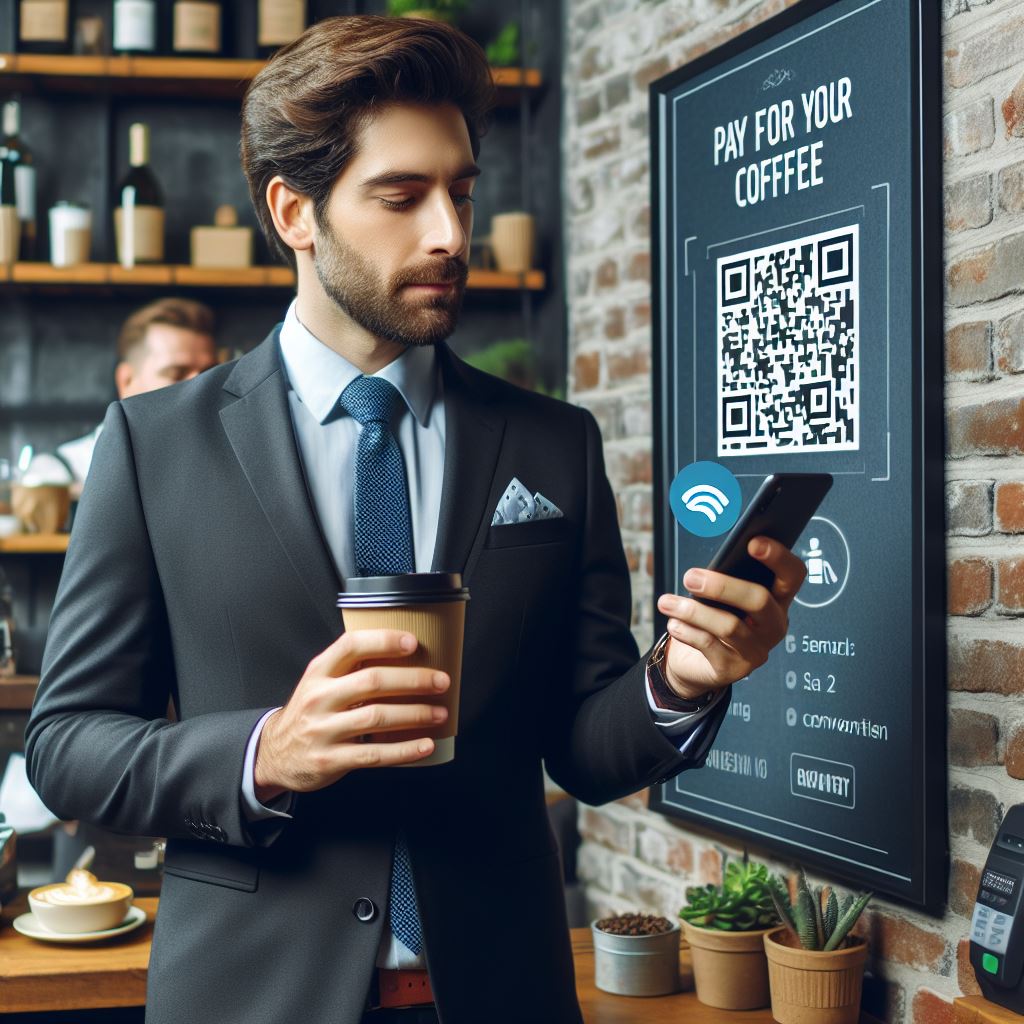
Closed-loop payment systems operate within a self-contained network where the issuer, acquirer, and processor are typically the same entity. This means the payment method, whether a card or a mobile app, is restricted to a specific brand or service. Examples include store gift cards, Starbucks’ mobile payment app, and many transit card systems like London’s Oyster card.
Benefits of Closed-Loop Systems
📌 Reduced Transaction Costs: With fewer intermediaries involved, closed-loop systems often boast lower transaction fees, benefiting both merchants and issuers (Yermack, 2022).
📌 Boosted Customer Loyalty: Proprietary payment methods can enhance customer loyalty. Starbucks’ mobile app, for instance, rewards customers for repeat purchases, fostering brand loyalty (Starbucks Corporation, 2022).
📌 Superior Data Control: Businesses can gather and analyze customer data more effectively, tailoring marketing strategies and improving customer experiences (Gomber, Koch, & Siering, 2022).
Drawbacks of Closed-Loop Payment Systems
📌 Limited Usability: These payment methods can only be used within the issuer’s network, limiting consumer convenience (Kauffman & Riggins, 2022).
📌 Risk of Obsolescence: If a business faces financial troubles or shuts down, the closed-loop payment method may become obsolete, inconveniencing consumers (Zhu & Kraemer, 2022).
실제 세계의 예
🔗 Starbucks Mobile App (Closed-Loop)
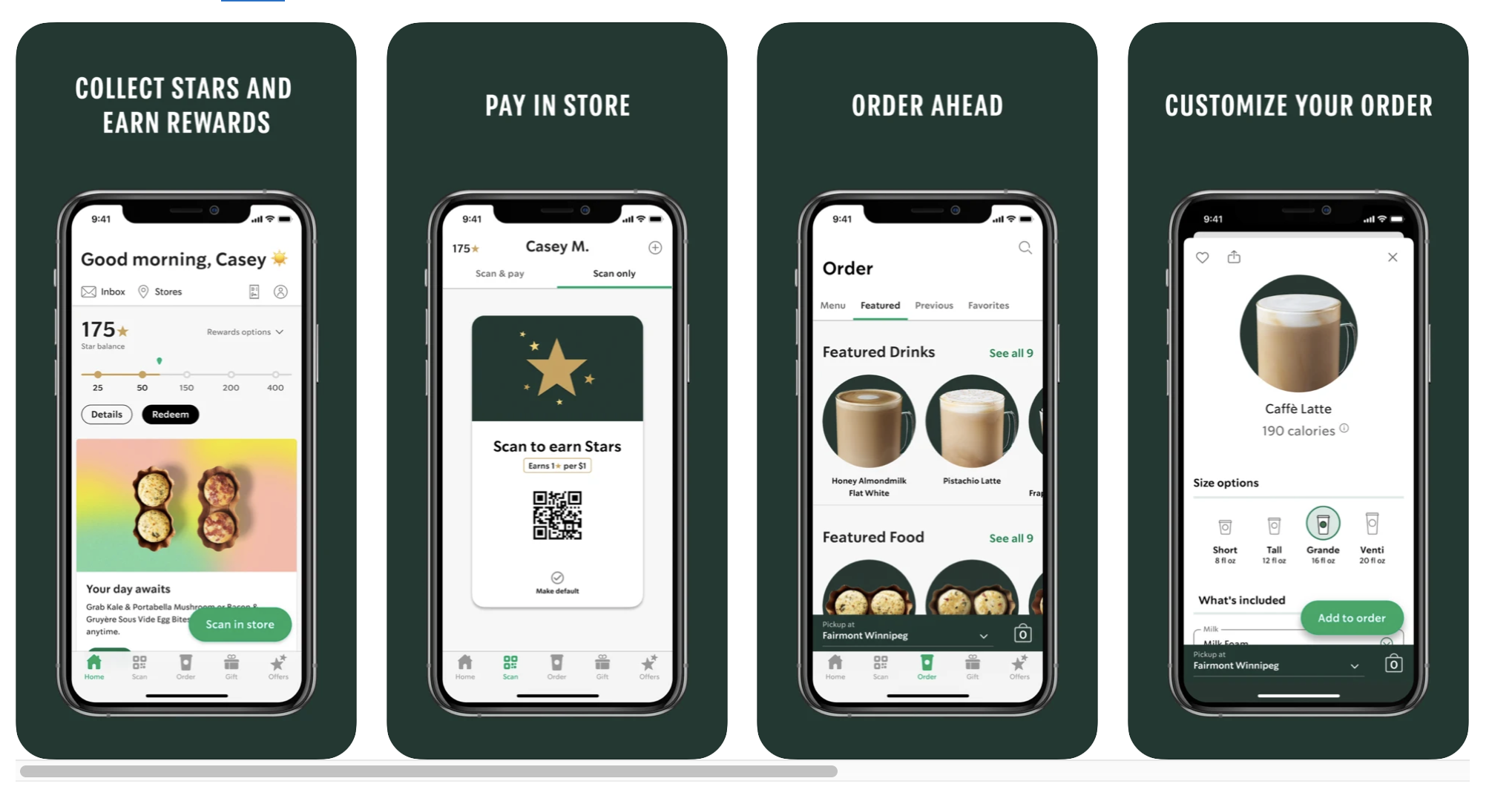
The Starbucks’ mobile app
Starbucks’ mobile app exemplifies a closed-loop system. Customers preload funds and make purchases directly through the app at Starbucks locations, benefiting from reduced transaction fees and an integrated loyalty program that rewards repeat purchases (Starbucks Corporation, 2022).
What are Open-Loop Payment Systems?
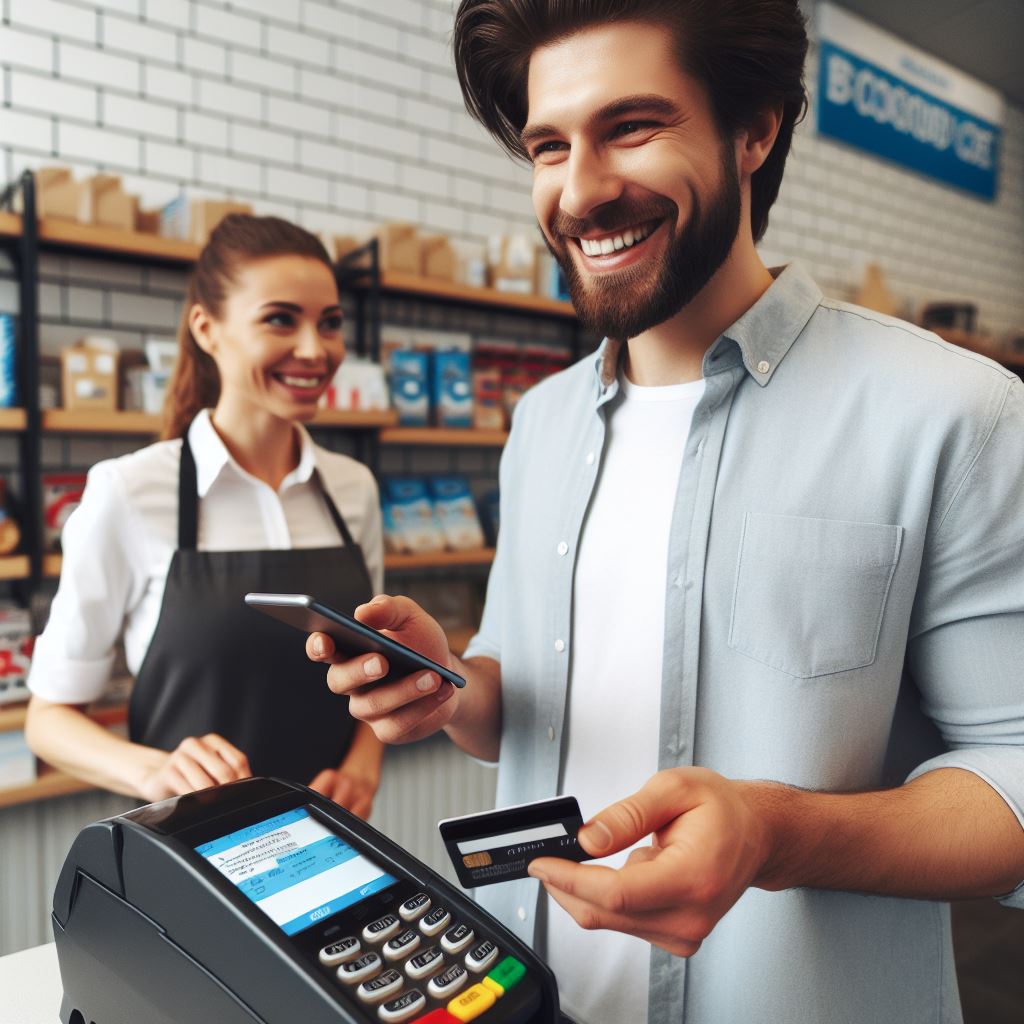
Open-loop payment systems, in contrast, allow transactions across multiple, unaffiliated entities. The issuer, acquirer, and processor are usually separate, enabling widespread acceptance. Examples include Visa, Mastercard, and American Express.
Benefits of Open-Loop Systems
📌 Universal Acceptance: Open-loop systems are widely accepted by merchants globally, enhancing convenience for consumers (Bolt & Humphrey, 2022).
📌 Encouraged Competition: These systems foster competition among issuers and acquirers, potentially leading to better services and lower costs for consumers (Weiner & Wright, 2022).
📌 Interoperability: Supporting transactions across various financial institutions and geographies, open-loop systems facilitate international transactions and travel (Krueger & Seel, 2023).
Drawbacks of Open-Loop Payment Systems
📌 Higher Transaction Fees: Multiple intermediaries mean higher transaction fees, which can be burdensome for small businesses (Dahlberg, Guo, & Ondrus, 2022).
📌 Less Data Control: Customer transaction data is shared among various entities, limiting a single company’s ability to leverage this data for marketing and customer service improvements (Evans & Schmalensee, 2023).
실제 세계의 예
🔗Visa and Mastercard (Open-Loop)
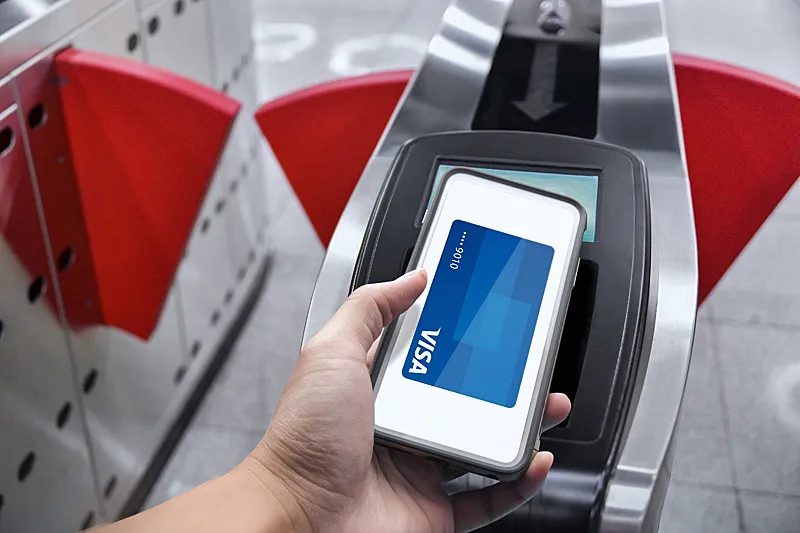
Using a mobile phone with a Visa card to make a contactless payment at a public transportation gate.
Visa and Mastercard epitomize open-loop systems. Connecting millions of consumers and merchants worldwide, they enable seamless transactions across borders. Despite higher transaction fees due to multiple intermediaries, their global acceptance ensures convenience for users (Visa Inc., 2022; Mastercard Inc., 2022).
Closed-Loop vs. Open-Loop: Key Differences
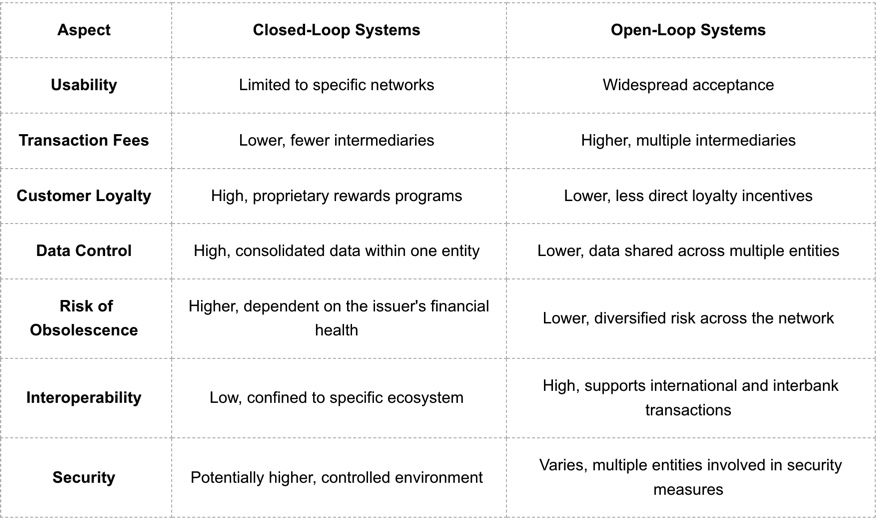
A comparison between open-looped and closed-loop payments
The Future of Payment Systems
🔗 Digital Wallets and Cryptocurrency
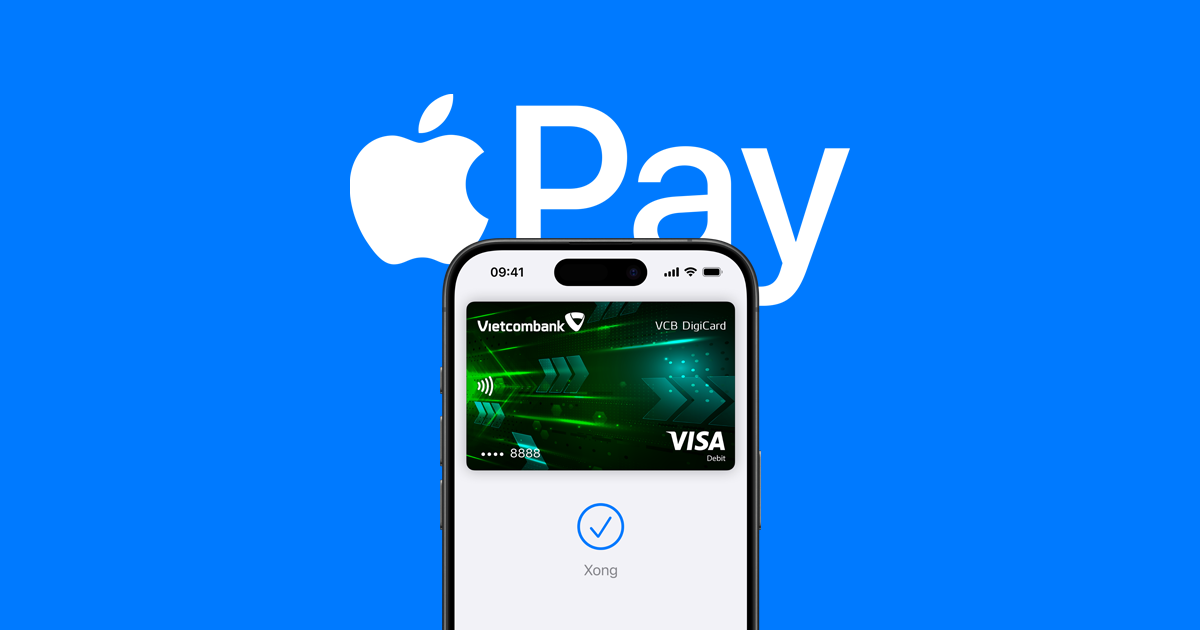
Vietcombank Visa card ready for use with Apple Pay on an iPhone.
Digital wallets and cryptocurrencies are increasingly blurring the lines between closed and open-loop systems. Digital wallets like Apple Pay and Google Wallet can function within both closed-loop (for specific stores or services) and open-loop (linked to credit and debit cards) capacities, offering flexibility and convenience (Wang & He, 2022).
Similarly, cryptocurrencies can be used within specific platforms (closed-loop) or across various platforms and merchants (open-loop), depending on their adoption and integration.
🔗 Regulatory Considerations
The regulatory environment will significantly shape the future of payment systems. Open-loop systems, subject to extensive regulations to ensure security and consumer protection, often face higher costs. Conversely, closed-loop systems may encounter less stringent regulations but must still comply with consumer protection laws (Kroszner, 2022).
Both closed-loop and open-loop payment systems offer unique advantages and disadvantages. Closed-loop systems provide cost savings, enhanced customer loyalty, and better data control, but their usability is limited and they risk becoming obsolete if the issuer fails. Open-loop systems offer widespread acceptance, enhanced competition, and interoperability, but come with higher transaction fees and less data control.
As digital payments evolve, hybrid models combining the best of both systems are likely to emerge. Staying informed about these developments will help businesses and consumers choose the most suitable payment solutions for their needs.
Explore SmartDev’s Closed-Loop Payment Solutions
At SmartDev, we understand the importance of efficient and secure payment systems. Our closed-loop payment solutions are designed to offer businesses reduced transaction costs, enhanced customer loyalty, and superior data control. By implementing SmartDev’s closed-loop systems, businesses can foster stronger customer relationships and gain valuable insights into consumer behavior.
Don’t miss out on the opportunity to streamline your payment processes and improve your customer engagement. 연락하다 스마트데브 today to learn more about how our closed-loop payment solutions can benefit your business. Explore our comprehensive services and discover the future of seamless transactions with SmartDev.
—
참고문헌
- Bolt, W., & Humphrey, D. B. (2022). Payment network scale economies, SEPA, and cash replacement. Review of Network Economics, 6(4), 453-470.
- Dahlberg, T., Guo, J., & Ondrus, J. (2022). A critical review of mobile payment research. Electronic Commerce Research and Applications, 14(5), 265-284.
- Evans, D. S., & Schmalensee, R. (2023). The economics of interchange fees and their regulation: An overview. MIT Press.
- Gomber, P., Koch, J.-A., & Siering, M. (2022). Digital finance and FinTech: current research and future research directions. Journal of Business Economics, 87(5), 537-580.
- Kauffman, R. J., & Riggins, F. (2022). Information and communication technology and the sustainability of microfinance. International Journal of Electronic Commerce, 16(4), 9-44.
- Krueger, M., & Seel, M. (2023). The future of payment systems. International Journal of Financial Studies, 8(3), 49.
- Kroszner, R. S. (2022). Regulation of payment systems. Journal of Financial Services Research, 57(1), 1-16.
- Starbucks Corporation. (2022). Annual Report 2022. Retrieved from Starbucks Investor Relations.
- Visa Inc. (2022). Annual Report 2022. Retrieved from Visa Investor Relations.
- Wang, X., & He, Y. (2022). The impact of digital wallets on consumer payment behavior: Evidence from a field experiment. Journal of Financial Economics, 138(3), 698-715).
- Weiner, S. E., & Wright, J. (2022). Interchange fees in various countries: Developments and determinants. Review of Network Economics, 4(4), 290-323).
- Yermack, D. (2022). Corporate governance and blockchains. Review of Finance, 21(1), 7-31).
- Zhu, K., & Kraemer, K. L. (2022). Post-adoption variations in usage and value of e-business by organizations: Cross-country evidence from the retail industry. Information Systems Research, 16(1), 61-84).