AI is transforming industries, automating processes, and driving innovation. However, as businesses scale their AI initiatives, it’s crucial to ensure that the technology is used responsibly. This is where AI guardrails come into play—ensuring that AI systems operate ethically, securely, and effectively. In this article, we explore why AI guardrails are necessary, their core functions, how to implement them, and the future of AI safety.

1. Understanding the Need for AI Guardrails
As businesses integrate AI into their operations, the need for guardrails becomes clear. Scaling AI can introduce risks such as bias, 데이터 개인 정보 보호 violations, or poor decision-making if not managed properly. AI guardrails act as safety measures that keep AI technology aligned with business goals, regulatory requirements, and ethical standards. They ensure that AI systems perform as intended and don’t lead to unintended consequences.
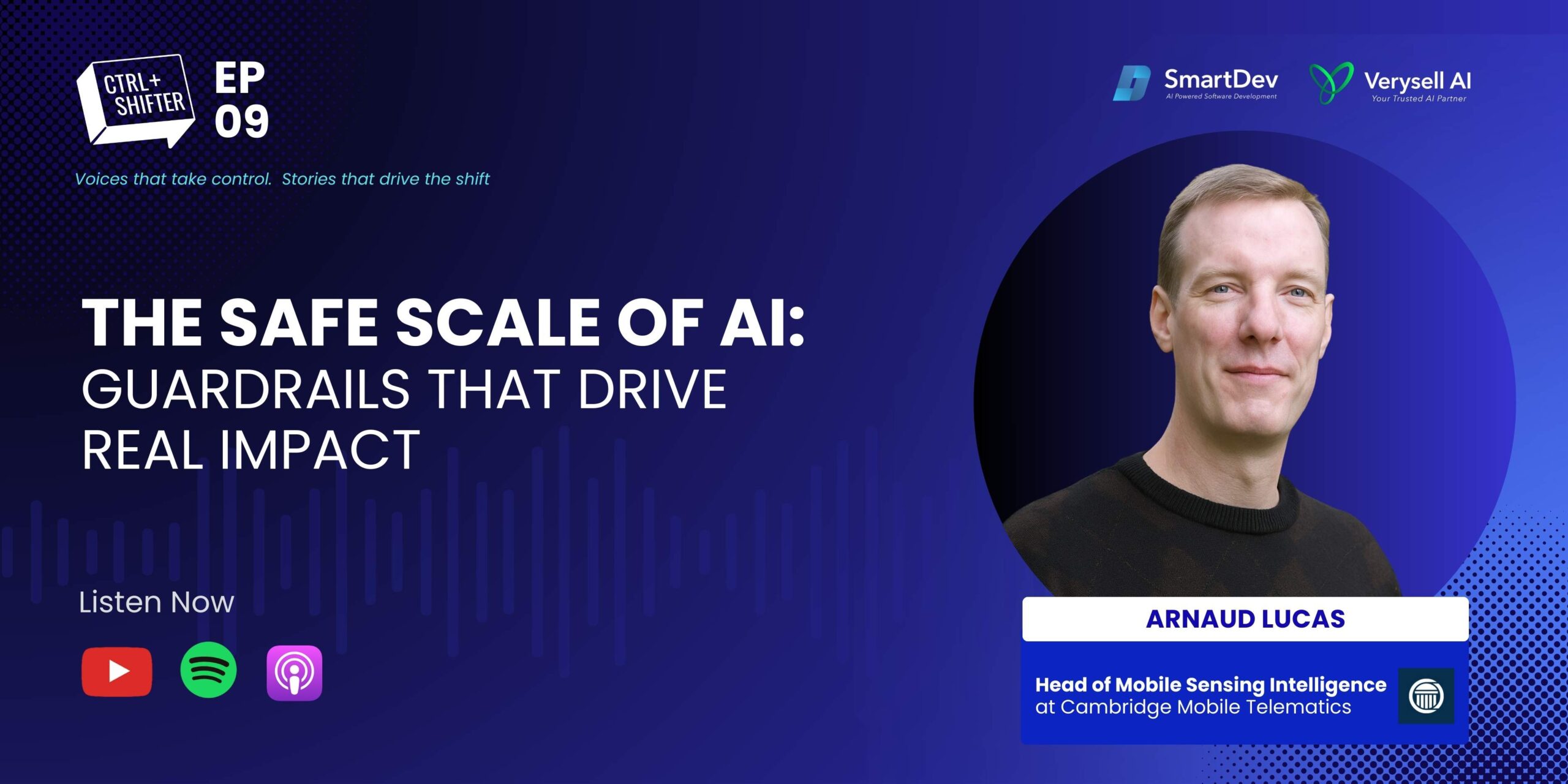
Arnaud Lucas ~에서 Cambridge Mobile Telematics explains it well: “Innovation is critical, but it should never come at the cost of safety. AI guardrails allow businesses to scale innovation in a way that is both secure and responsible.”
Without these guardrails, businesses risk deploying AI systems that could harm their reputation, operations, and customer trust.
2. The Core Functions of AI Guardrails
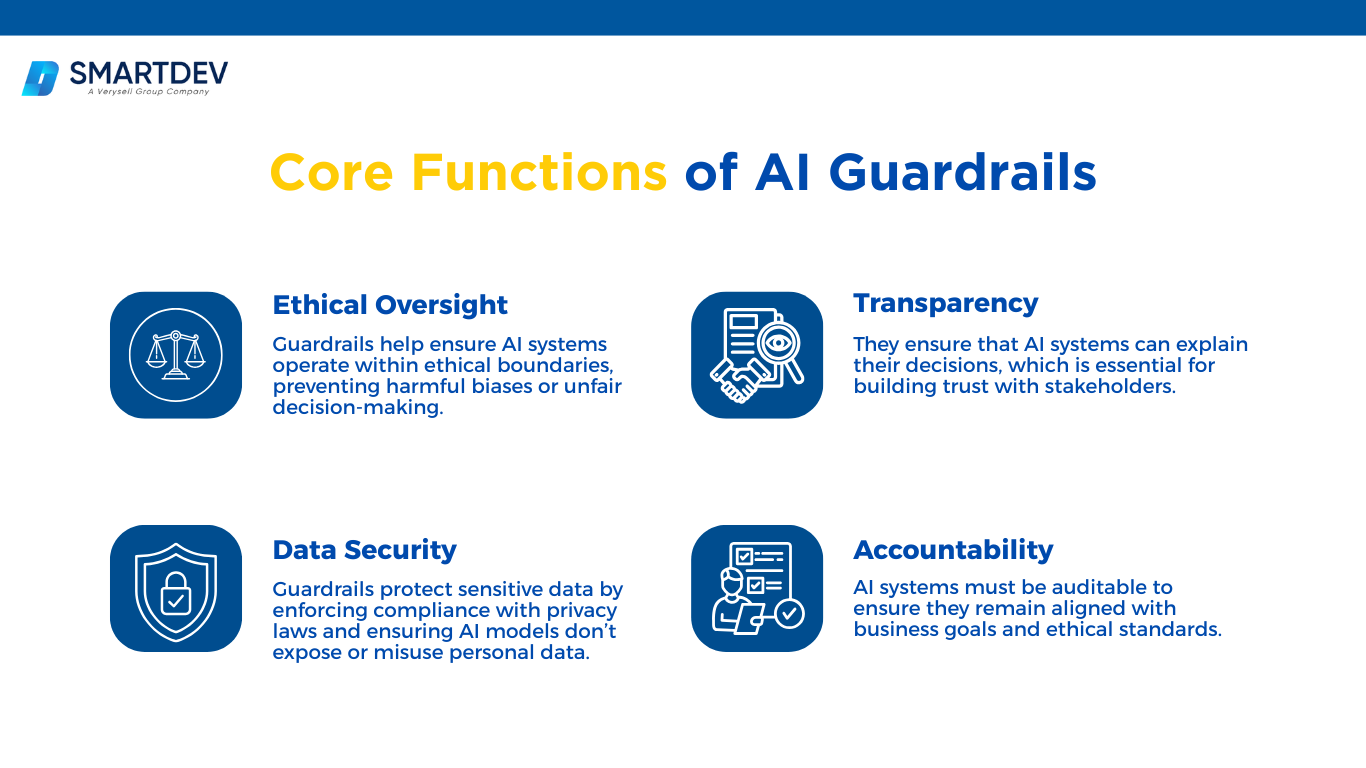 AI guardrails perform several important functions that help businesses manage AI safely:
- Ethical Oversight: Guardrails help ensure AI systems operate within ethical boundaries, preventing harmful biases or unfair decision-making.
- Transparency: They ensure that AI systems can explain their decisions, which is essential for building trust with stakeholders.
- 데이터 보안: Guardrails protect sensitive data by enforcing compliance with privacy laws and ensuring AI models don’t expose or misuse personal data.
- 책임: AI systems must be auditable to ensure they remain aligned with business goals and ethical standards.
These guardrails ensure that AI does not act unpredictably or produce harmful results, ultimately enabling businesses to scale AI with confidence.
3. Practical Steps to Implement AI Guardrails
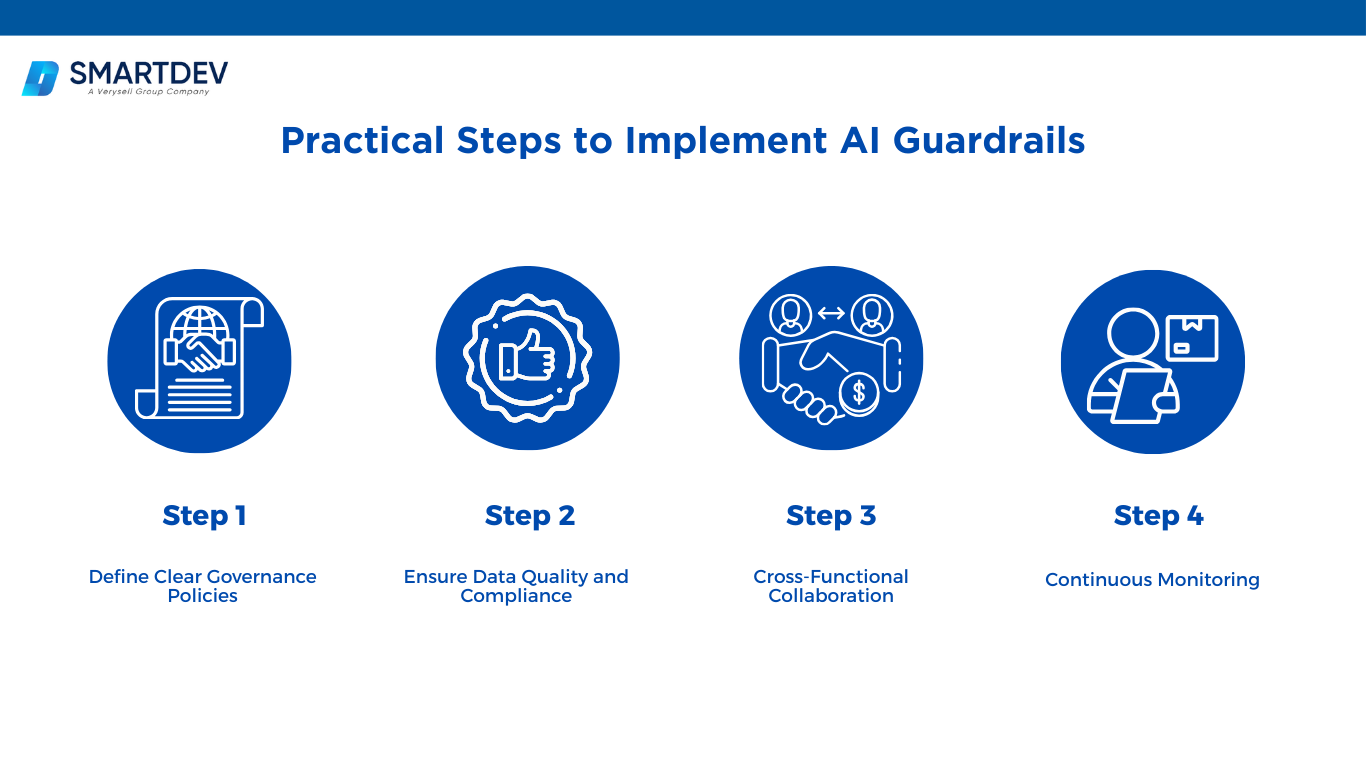
Implementing AI guardrails in your organization is essential for scaling AI safely. Here are practical steps to build these guardrails:
- Define Clear Governance Policies: Establish guidelines for ethical AI use, ensuring that the AI systems you deploy align with your organization’s values and business objectives.
- Ensure Data Quality and Compliance: Make sure the data feeding into AI models is clean, secure, and compliant with regulations like GDPR. Poor data can lead to incorrect outputs or biased decisions.
- Cross-Functional Collaboration: AI adoption should involve multiple teams—legal, IT, data scientists, and compliance officers. Collaboration ensures that AI systems are built with oversight at every stage.
- 지속적인 모니터링: Implement ongoing monitoring of AI systems to catch issues early and ensure they remain aligned with your business’s ethical standards.
Arnaud emphasizes the importance of starting with small pilot projects before rolling out AI on a larger scale: “Start small, test, and refine. This approach helps businesses understand the nuances of AI before fully committing to it.”
 4. The Role of AI Guardrails in Managing Risks
 4. The Role of AI Guardrails in Managing Risks
Scaling AI introduces inherent risks. These include:
- Bias in Decision-Making: AI systems can unintentionally learn from biased data, leading to unfair decisions. Guardrails ensure that AI models are regularly audited to prevent such biases.
- Data Privacy Issues: AI systems often handle sensitive information. Guardrails enforce strong data security protocols, ensuring that AI systems don’t violate privacy laws or expose user data.
- Incorrect Outputs: AI systems can make mistakes, and these errors can have significant consequences. Guardrails ensure that there’s human oversight to detect and correct mistakes before they affect business operations.
By managing these risks, AI guardrails provide businesses with the tools to scale AI safely and ensure that it serves both the business and its customers.
Arnaud highlights: “AI is not infallible. Guardrails provide the necessary checks to prevent mistakes and ensure the technology is aligned with the business’s ethical and operational standards.”
5. Looking Ahead: The Future of AI Guardrails
As AI continues to evolve, so will the need for more advanced AI guardrails. Here’s what businesses can expect in the future:
- Evolving with AI Technology: As AI becomes more complex, especially with autonomous systems, guardrails will need to evolve. New tools and frameworks will be developed to monitor AI’s behavior in real time, ensuring that even advanced AI systems remain safe and accountable.
- Decentralized AI: With the rise of decentralized AI models, where AI operates without centralized control, guardrails will be essential to ensure these systems align with regulatory standards and ethical guidelines. These guardrails will need to ensure fairness, transparency, and compliance across various stakeholders.
- Global Standards for AI Ethics: As AI adoption spreads worldwide, businesses will face new challenges in meeting international ethical standards. AI guardrails will play a key role in helping businesses navigate global regulatory environments, ensuring that their AI systems are compliant with varying laws and regulations.
Arnaud adds: “The future of AI guardrails lies in their ability to scale with AI technology. As we move toward more autonomous AI systems, guardrails will need to evolve to ensure they remain safe, ethical, and transparent.”
결론
AI is a powerful tool that can transform industries, but its safe and responsible adoption is essential. AI guardrails are the safety mechanisms that help businesses scale AI securely, ethically, and effectively. From managing risks like bias and data breaches to ensuring compliance with regulations, AI guardrails provide the structure businesses need to leverage AI’s full potential.
By implementing clear governance policies, ensuring data quality, and maintaining ongoing oversight, businesses can scale AI with confidence. As AI continues to evolve, so too will the need for more sophisticated guardrails, ensuring that AI remains a valuable asset for businesses in the long run.
Arnaud concludes: “With the right guardrails in place, AI can drive innovation without compromising safety, ethics, or trust. Businesses that embrace these guardrails will be better positioned for success in the AI-driven future.”