
Artificial intelligence is rapidly reshaping transportation, turning traditional systems into intelligent, adaptive networks. From predictive traffic management to autonomous vehicles, AI enables faster decisions, safer journeys, and more efficient operations. For logistics providers, urban planners, and mobility startups, AI is no longer optional. It is a competitive necessity. Businesses that adopt AI early gain a decisive advantage in cost reduction and customer experience.
The shift toward AI-driven transportation is fueled by the growing complexity of global mobility systems and the explosion of real-time data. Cities are becoming more congested, supply chains more demanding, and customer expectations higher than ever. AI provides the tools to manage this complexity by analyzing vast datasets, identifying patterns, and automating critical decisions. As a result, organizations can optimize routes, reduce delays, improve safety outcomes, and deliver more reliable services. In this rapidly evolving landscape, AI is not just enhancing transportation. It is redefining how people and goods move across the world.
What is AI and Why Does It Matter in Transportation?
 Artificial intelligence refers to the simulation of human intelligence by machines. It includes technologies such as machine learning, natural language processing, and computer vision. These technologies allow systems to analyze data, recognize patterns, and make decisions with minimal human intervention. In the transportation sector, AI acts as a powerful enabler that transforms raw data into meaningful insights, helping organizations improve both operational performance and strategic planning.
AI is particularly valuable in transportation because the industry operates in highly dynamic and data-intensive environments. Every second, vehicles, infrastructure, and users generate vast streams of information. Without AI, much of this data would remain underutilized. With AI, however, transportation systems can become predictive rather than reactive, allowing stakeholders to anticipate disruptions and respond proactively.
Core AI Technologies in Transportation
Machine learning powers predictive analytics. It helps forecast traffic patterns, demand fluctuations, and maintenance needs. By learning from historical and real-time data, machine learning models continuously improve their accuracy over time.
Computer vision enables vehicles and infrastructure to interpret visual data. This includes recognizing road signs, pedestrians, lane markings, and obstacles. It is a foundational technology for autonomous driving and advanced driver assistance systems.
Natural language processing supports customer interactions through chatbots and voice assistants in mobility platforms. It enhances user experience by providing instant support, booking assistance, and real-time travel updates.
The Growing Role of AI in Transportation
 Transportation systems generate massive amounts of data every second. AI turns this data into actionable insights that improve efficiency and safety. According to insights from the referenced sources, AI-driven traffic management systems can reduce congestion by up to 25 percent while improving travel time reliability. These improvements are transforming both urban mobility and logistics networks.
AI also plays a central role in autonomous driving. Companies are investing heavily in self-driving technologies that rely on AI to navigate complex environments, detect hazards, and make split-second decisions. In logistics, AI optimizes route planning and fleet utilization, leading to faster deliveries, reduced operational costs, and lower fuel consumption.
Key Trends Driving Adoption
Several trends are accelerating AI adoption in transportation:
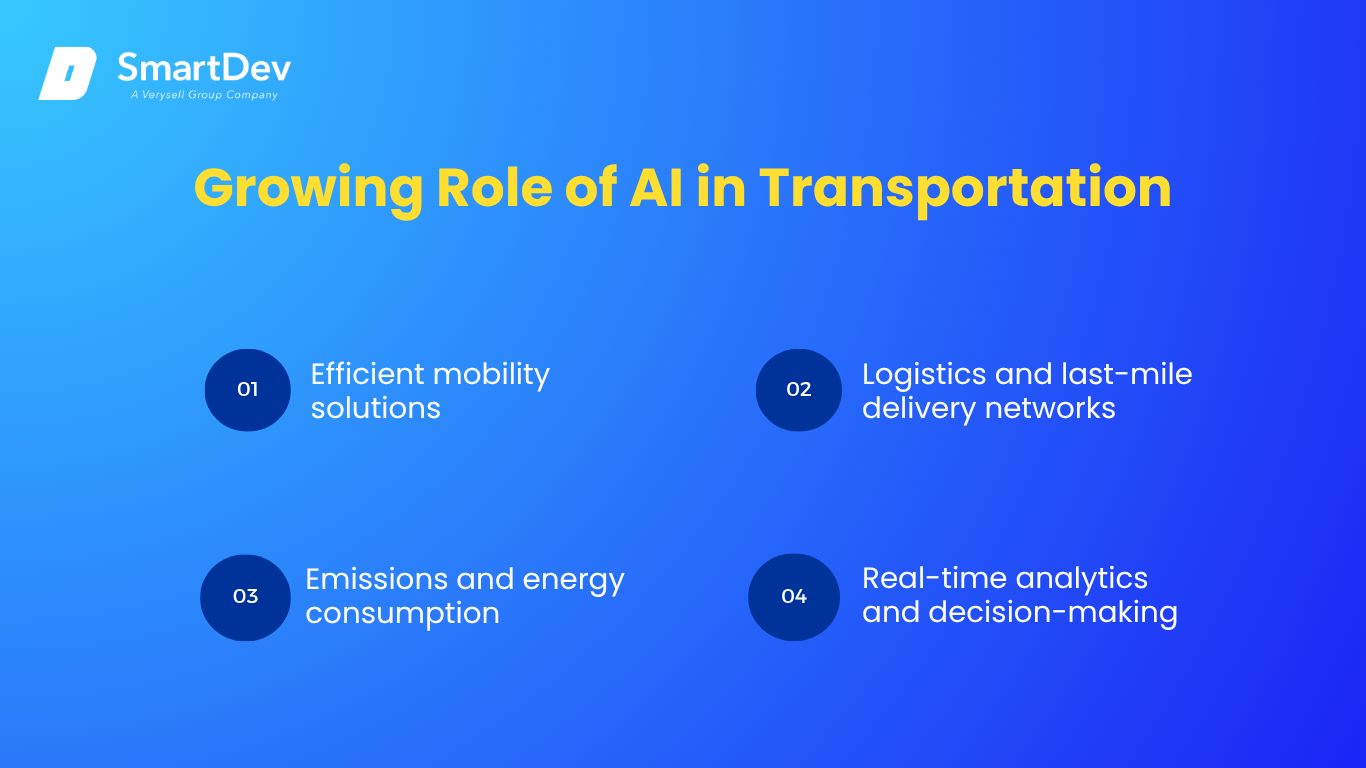
- Rapid urbanization is increasing the demand for efficient mobility solutions
- E-commerce growth is putting pressure on logistics and last-mile delivery networks
- Sustainability goals are pushing companies to reduce emissions and energy consumption
- Advances in sensor technology and cloud computing are enabling real-time analytics and decision-making
As these trends converge, AI is becoming the backbone of smart transportation ecosystems, enabling more connected, efficient, and sustainable mobility solutions worldwide.
Business Benefits of AI in Transportation
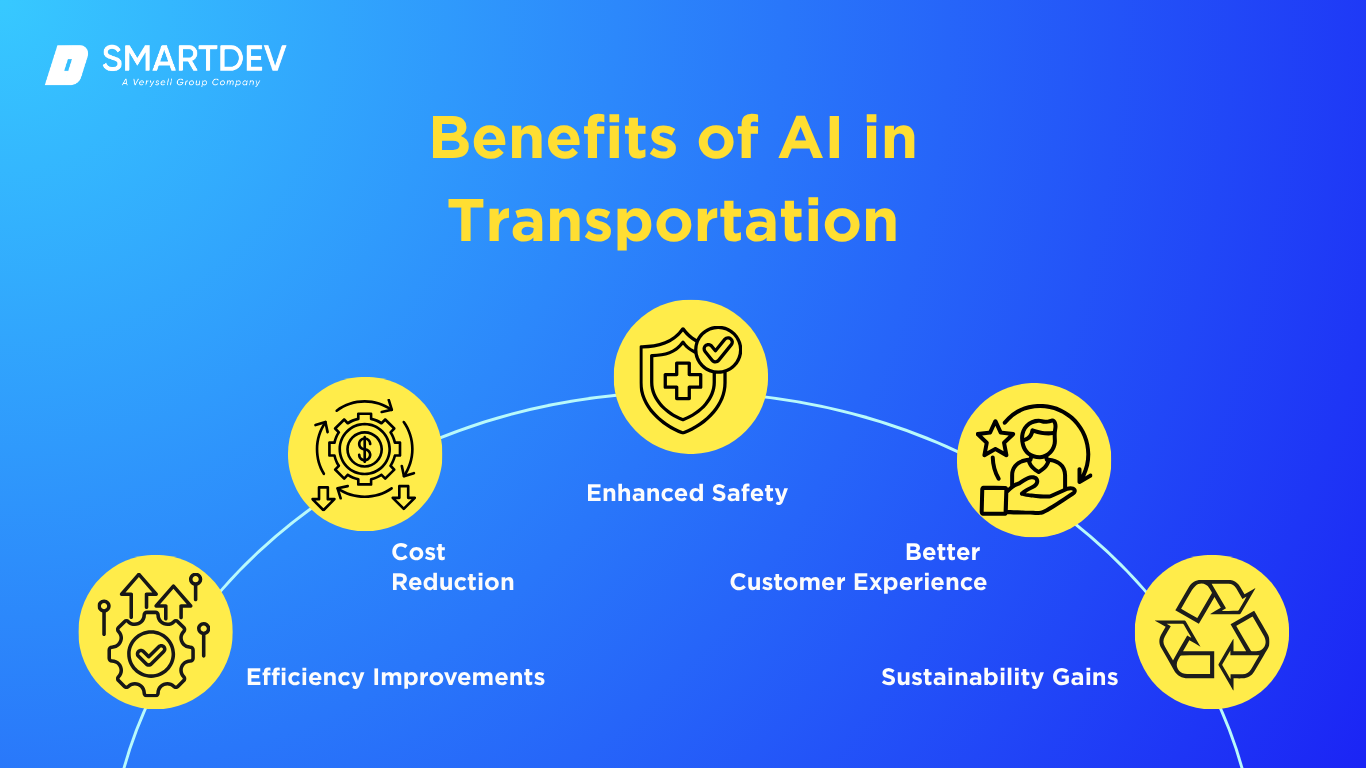
 1. Improved Operational Efficiency
 1. Improved Operational Efficiency
AI significantly enhances operational efficiency by optimizing routing, scheduling, and fleet management. Traditional transportation systems often rely on static routes and manual planning, which cannot adapt quickly to changing conditions. AI changes this by analyzing real-time traffic data, weather conditions, and road incidents to dynamically adjust routes. This ensures that vehicles avoid congestion and reach their destinations faster.
In logistics and freight operations, AI enables intelligent dispatching and load optimization. Companies can maximize vehicle capacity while minimizing empty miles. This leads to better resource utilization and improved turnaround times. Over time, these efficiencies compound, allowing organizations to handle higher volumes without increasing operational costs.
2. Cost Reduction
Cost savings are one of the most immediate and measurable benefits of AI in transportation. Automation reduces reliance on manual processes, lowering labor costs and minimizing human error. AI-driven systems can handle tasks such as route planning, demand forecasting, and scheduling with greater accuracy and speed.
Predictive maintenance is another major cost-saving application. By analyzing sensor data from vehicles, AI can detect early signs of wear and tear. This allows companies to perform maintenance before failures occur, reducing downtime and avoiding expensive repairs. Additionally, optimized driving patterns and route planning lead to significant fuel savings, which directly impacts the bottom line.
3. Enhanced Safety
Safety is a critical priority in transportation, and AI plays a transformative role in improving it. AI-powered systems can monitor driving behavior, detect fatigue, and identify risky patterns in real time. Advanced driver assistance systems use computer vision to recognize obstacles, pedestrians, and traffic signals, helping prevent accidents.
Predictive analytics also contributes to safer operations by identifying high-risk areas and conditions. For example, AI can analyze historical accident data alongside real-time inputs to warn drivers about potential hazards. These capabilities not only reduce accidents but also lower insurance costs and improve regulatory compliance.
4. Better Customer Experience
AI enables transportation companies to deliver a more seamless and reliable customer experience. Real-time tracking and predictive analytics provide accurate delivery estimates, reducing uncertainty for customers. This is particularly important in e-commerce and last-mile delivery, where timing is critical.
Ride-sharing and mobility platforms use AI to match drivers and passengers efficiently, minimizing wait times and improving service availability. AI-powered chatbots and virtual assistants enhance customer support by providing instant responses to queries. Overall, these improvements lead to higher customer satisfaction and stronger brand loyalty.
5. Sustainability Gains
Sustainability is becoming a key focus for transportation companies, and AI is a powerful tool for achieving environmental goals. By optimizing routes and reducing idle time, AI helps lower fuel consumption and greenhouse gas emissions. Smart traffic management systems reduce congestion, which further decreases pollution levels in urban areas.
AI also supports the transition to greener transportation models. It can optimize the use of electric vehicles by managing charging schedules and predicting energy demand. Additionally, data-driven insights enable companies to measure and reduce their carbon footprint more effectively.
Need Expert Help Turning Ideas Into Scalable Products?
Partner with SmartDev to accelerate your software development journey — from MVPs to enterprise systems.
Book a free consultation with our tech experts today.
Let’s Build TogetherChallenges Facing AI Adoption in Transportation
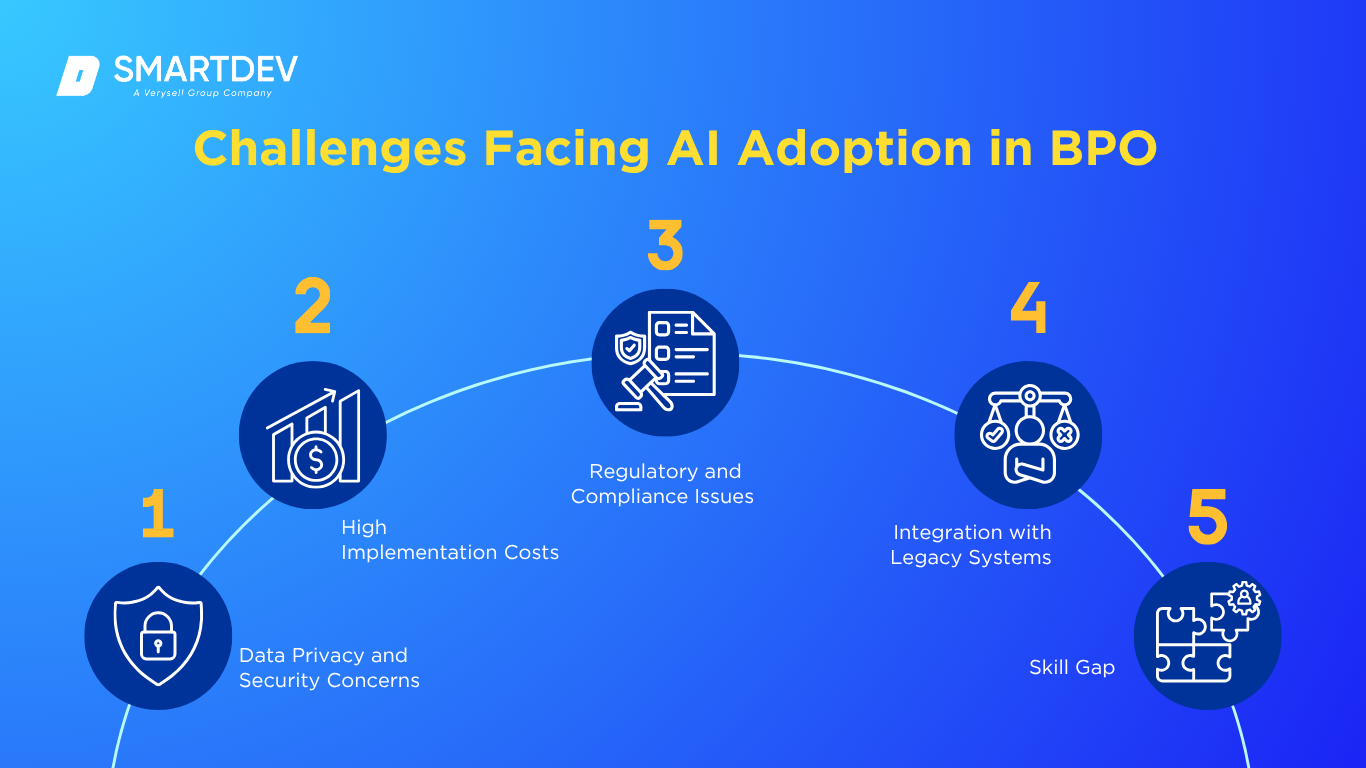
1. Data Quality and Availability
 1. Data Quality and Availability
AI systems depend heavily on large volumes of accurate and consistent data. In transportation, data is often generated from multiple sources such as GPS devices, sensors, traffic cameras, and enterprise systems. However, this data is frequently fragmented, incomplete, or inconsistent. Poor data quality can lead to inaccurate predictions, flawed decision-making, and unreliable AI outputs.
Many transportation organizations also struggle with data silos, where information is stored across disconnected systems that do not communicate effectively. Without a unified data infrastructure, it becomes difficult to extract meaningful insights. To fully leverage AI, companies must invest in data integration, standardization, and governance practices that ensure data reliability and accessibility.
2. High Implementation Costs
The cost of implementing AI in transportation can be a significant barrier, especially for small and mid-sized organizations. AI adoption requires investment in advanced infrastructure, including cloud computing, data storage systems, and edge devices. In addition, companies must acquire or develop specialized software tailored to their operational needs.
Beyond technology, there are also costs associated with hiring skilled professionals such as data scientists, AI engineers, and system architects. Training existing staff adds another layer of expense. While AI can deliver long-term cost savings, the initial investment can be difficult to justify without a clear and immediate return on investment. This often delays adoption and limits experimentation.
3. Regulatory and Compliance Issues
Transportation is one of the most heavily regulated industries, and the introduction of AI adds new layers of complexity. Autonomous vehicles, for example, must meet strict safety and performance standards before they can be deployed at scale. Regulatory frameworks are still evolving, and there is often a lack of clarity around liability, accountability, and ethical considerations.
Different regions may have varying regulations, making it challenging for global transportation companies to implement AI solutions consistently. Compliance requirements can slow down innovation and increase the time needed to bring AI-driven products to market. Organizations must stay informed about regulatory changes and ensure that their AI systems meet all legal and safety standards.
4. Integration with Legacy Systems
Many transportation companies rely on legacy systems that were not designed to support modern AI technologies. These systems may lack the flexibility, scalability, and interoperability needed for seamless integration. As a result, implementing AI often requires significant modifications to existing infrastructure.
Integration challenges can lead to delays, increased costs, and operational disruptions. In some cases, organizations may need to replace outdated systems entirely, which adds complexity and risk. A phased approach, where AI solutions are gradually integrated into existing workflows, can help mitigate these challenges, but it requires careful planning and execution.
5. Skill Gap
The shortage of skilled talent is another major obstacle to AI adoption in transportation. Developing, deploying, and maintaining AI systems requires expertise in areas such as machine learning, data engineering, and software development. However, there is a limited supply of professionals with these specialized skills.
This skills gap can slow down AI initiatives and limit their effectiveness. Organizations must invest in training and upskilling their workforce to bridge this gap. Partnerships with technology providers and academic institutions can also help address talent shortages. Without the right expertise, even the most advanced AI technologies may fail to deliver their full potential.
Specific Applications of AI in Transportation
1. Smart Traffic Management
AI-powered traffic systems analyze real-time data from cameras, sensors, and GPS devices. They adjust traffic signals dynamically to reduce congestion.
Example: Cities implementing AI-based traffic control have reported reductions in travel time and improved traffic flow efficiency. These systems can predict congestion before it occurs and take preventive actions.
2. Autonomous Vehicles
Self-driving vehicles use AI to navigate roads, detect obstacles, and make decisions. These systems rely heavily on machine learning and computer vision.
Example: Autonomous trucking solutions are being tested to improve long-haul logistics. These vehicles can operate continuously, reducing delivery times and labor costs.
3. Predictive Maintenance
AI analyzes data from vehicle sensors to predict when maintenance is needed. This prevents unexpected breakdowns and extends asset lifespan.
Example: Airlines and rail operators use predictive maintenance to reduce downtime and improve reliability. This approach lowers maintenance costs and enhances safety.
4. Route Optimization and Fleet Management
AI systems optimize delivery routes based on traffic conditions, weather, and demand. Fleet managers can monitor vehicle performance in real time.
Example: Logistics companies use AI to reduce fuel consumption and improve delivery efficiency. Optimized routes lead to faster deliveries and lower operational costs.
5. Demand Forecasting
AI predicts transportation demand based on historical data and external factors. This helps companies allocate resources more effectively.
Example: Ride-sharing platforms use AI to predict peak demand periods. This ensures that drivers are available when and where they are needed.
Examples of AI in Transportation
Case Study 1: AI in Logistics Route Optimization
Overview
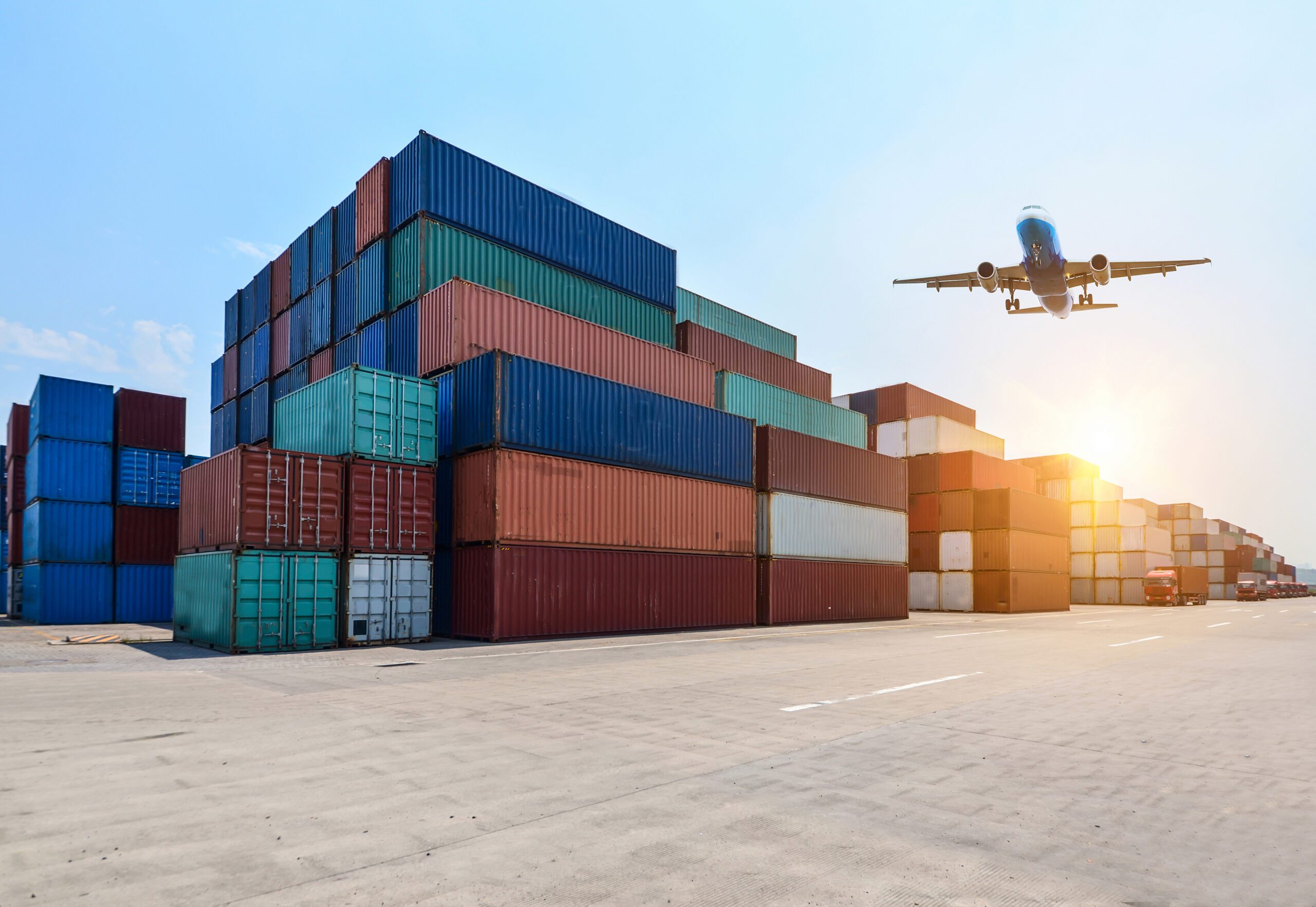
Logistics companies are leveraging AI to optimize delivery routes and improve fleet efficiency. With increasing demand from e-commerce and global supply chains, efficient route planning has become critical for maintaining competitiveness and meeting customer expectations.
Challenges
- Inefficient routing leading to increased fuel consumption
- Traffic congestion causing delivery delays
- Underutilized fleet capacity and empty return trips
- Difficulty adapting to real-time disruptions such as accidents or weather
How AI Helps Solve These Problems
- Uses real-time traffic and weather data to dynamically optimize routes
- Reduces fuel consumption by identifying the most efficient paths
- Improves fleet utilization through intelligent load planning
- Enables dynamic rerouting to avoid delays and disruptions
- Enhances delivery accuracy and reduces operational costs
Case Study 2: AI-Powered Driver-Passenger Matching Platform (UK Transportation Client)
Overview
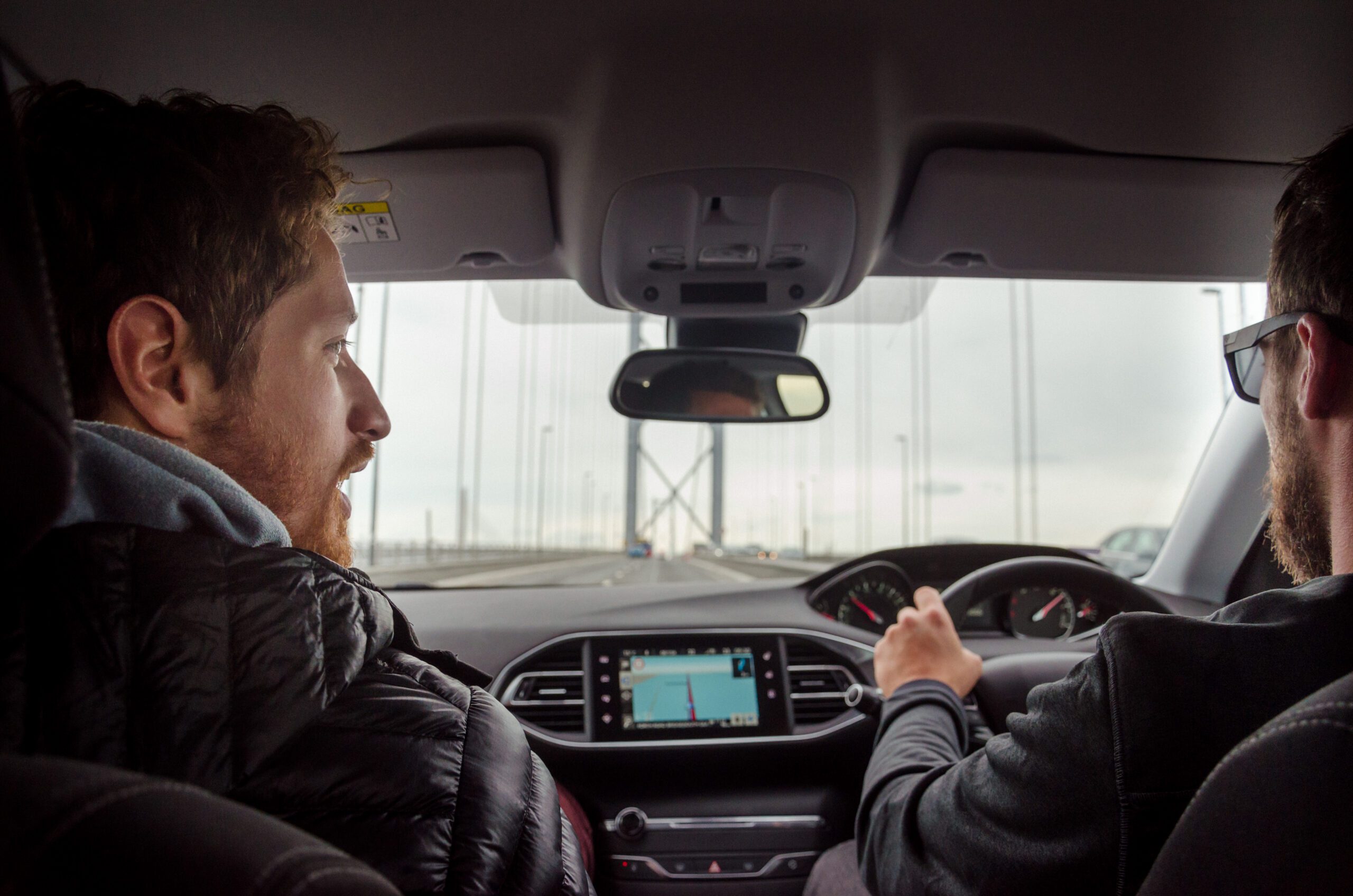
A UK-based transportation company partnered with SmartDev to build a scalable, AI-powered driver-passenger matching platform. The goal was to improve matching efficiency, reduce waiting times, and handle growing demand in an on-demand mobility environment.
Challenges
- Inefficient matching between drivers and passengers
- Long passenger wait times during peak demand
- Difficulty scaling the platform with increasing users
- Lack of real-time optimization for supply and demand balance
How AI Helps Solve These Problems
- Implements intelligent matching algorithms based on location, traffic, and demand patterns
- Uses predictive analytics to anticipate demand surges and position drivers proactively
- Optimizes dispatching in real time to reduce waiting times
- Enhances scalability with AI-driven automation and data processing
- Improves overall platform efficiency and user satisfaction
Case Study 3: AI-Driven IT and Operations Optimization for Luxury Cruise Lines

Overview
A luxury cruise company collaborated with SmartDev to modernize its IT management and operational systems using AI-driven solutions. The objective was to enhance operational efficiency, improve customer experience, and ensure seamless onboard services.
Challenges
- Fragmented IT systems affecting operational efficiency
- Difficulty managing large volumes of operational and customer data
- Limited ability to predict system failures or service disruptions
- High expectations for premium customer experience
How AI Helps Solve These Problems
- Uses AI to centralize and streamline IT operations across systems
- Implements predictive analytics to detect potential system issues before they occur
- Enhances data processing for better decision-making and service personalization
- Automates routine IT tasks to reduce manual workload
- Improves service reliability and overall passenger experience
AI-Driven Innovations Transforming Transportation
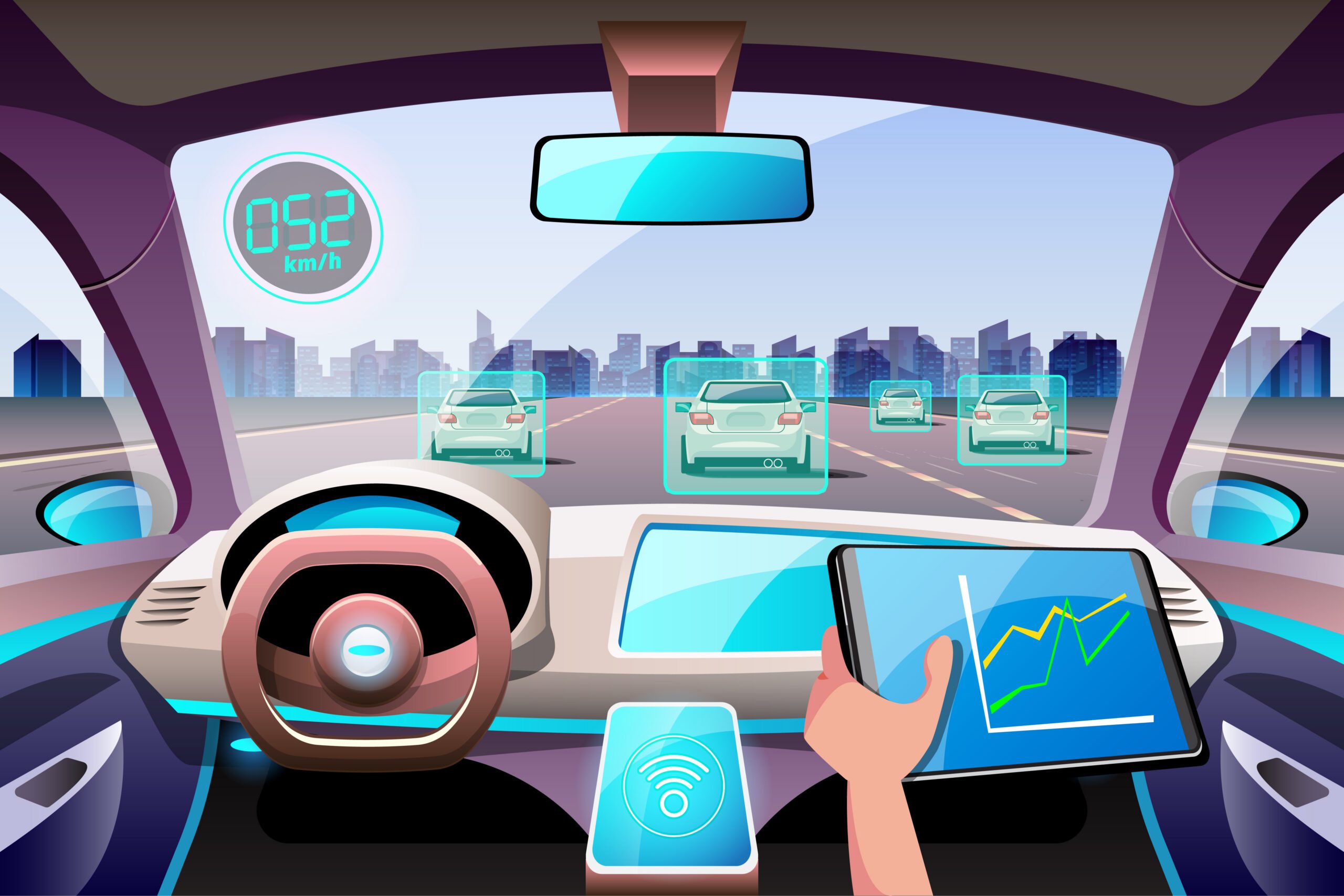
Emerging AI technologies are fundamentally reshaping how transportation systems are designed, managed, and optimized. One of the most promising developments is the use of generative AI in transportation planning. By simulating complex traffic scenarios and infrastructure configurations, generative AI enables planners to test multiple design options before implementation. This reduces risk, accelerates decision-making, and ensures that transportation networks are built for maximum efficiency and scalability.
At the same time, computer vision is powering a new generation of intelligent monitoring systems. AI-enabled cameras and sensors can analyze real-time visual data to detect accidents, identify traffic violations, and monitor congestion levels. These systems provide instant insights that allow authorities and operators to respond quickly to incidents, improving both safety and traffic flow. As these technologies continue to evolve, they are enabling transportation systems to become more proactive, responsive, and data-driven.
AI’s Role in Sustainability Efforts
AI is playing a critical role in helping the transportation industry achieve its sustainability goals. By leveraging predictive analytics, organizations can optimize routes, schedules, and resource allocation to minimize waste and reduce unnecessary fuel consumption. This leads to more efficient operations while lowering greenhouse gas emissions.
In addition, AI-powered systems help reduce energy consumption by improving traffic flow and minimizing idle time. Smart traffic management solutions can dynamically adjust signals and routing to prevent congestion, which is a major contributor to urban pollution. Transportation companies are also using AI to track, measure, and reduce their carbon footprint through data-driven insights. These capabilities not only support global environmental initiatives but also help businesses operate more efficiently and meet increasing regulatory and consumer demands for sustainability.
How to Implement AI in Transportation
Implementing AI in transportation requires a clear, structured approach. Organizations should focus on the following key steps to ensure successful adoption and long-term impact.
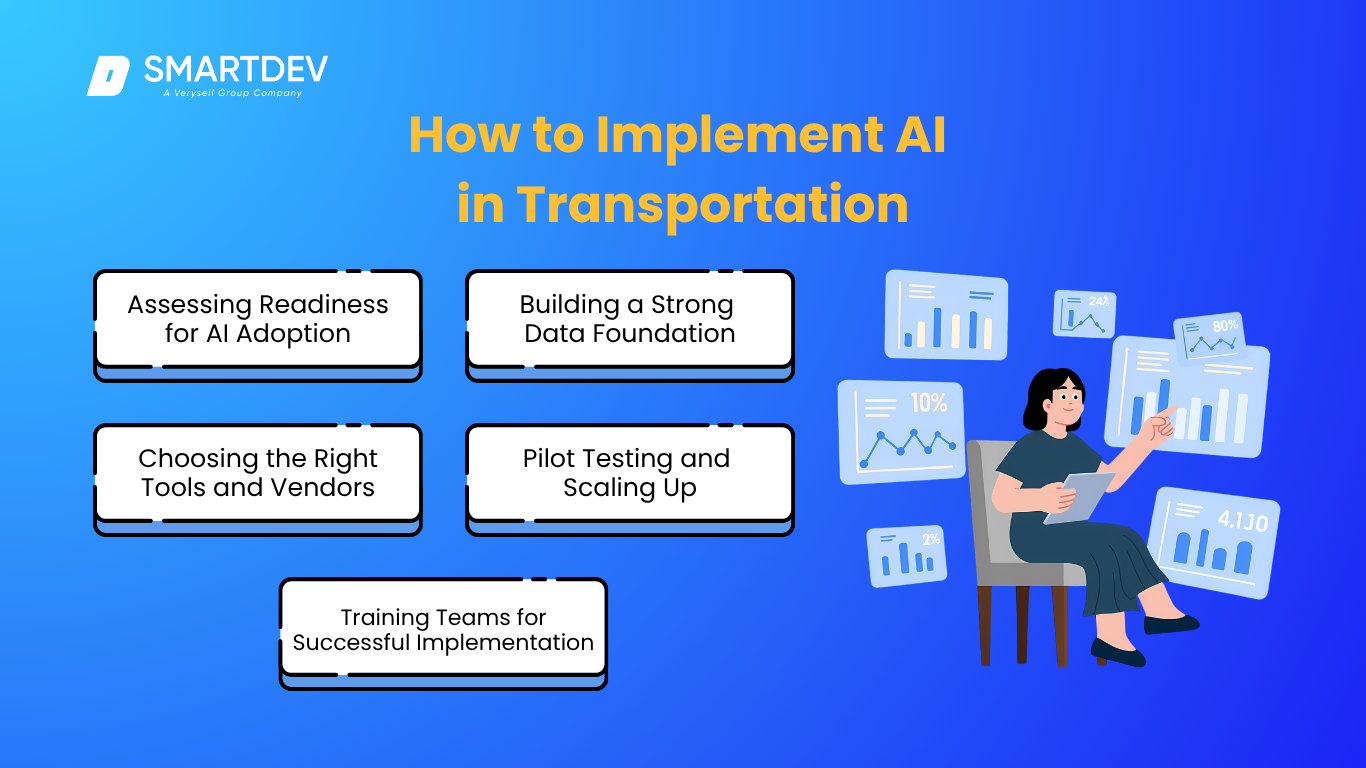
Step 1: Assessing Readiness for AI Adoption
Start by identifying business areas where AI can deliver the most value, such as route optimization, maintenance, or customer service. Evaluate current data availability, infrastructure, and internal capabilities. Clear objectives are essential to guide AI initiatives and avoid wasted investment.
Step 2: Building a Strong Data Foundation
AI depends on high-quality data. Companies need systems to collect, store, and integrate data from multiple sources like GPS, sensors, and operational platforms. Data must be cleaned and validated to ensure accuracy and reliability for AI models.
Step 3: Choosing the Right Tools and Vendors
Select AI platforms that are scalable, compatible with existing systems, and tailored to transportation use cases. It is important to choose vendors with proven industry experience to reduce risks and improve implementation outcomes.
Step 4: Pilot Testing and Scaling Up
Begin with small pilot projects to test AI solutions and measure performance. Use clear metrics to evaluate success. Once validated, gradually scale the solution across the organization to minimize disruption.
Step 5: Training Teams for Successful Implementation
Ensure employees are trained to work effectively with AI systems. Upskilling both technical and operational teams is essential. Building a data-driven culture will help maximize the long-term value of AI adoption.
Measuring the ROI of AI in Transportation
Key Metrics to Track Success
To evaluate the effectiveness of AI initiatives, transportation organizations must track clear and measurable performance indicators. These metrics help determine whether AI investments are delivering real business value.
- Productivity improvements: Measure how AI enhances operational efficiency, such as faster route planning, improved fleet utilization, or reduced manual workload
- Cost savings from automation: Track reductions in labor costs, fuel consumption, and maintenance expenses achieved through AI-driven automation
- Reduction in downtime: Monitor how predictive maintenance and real-time monitoring minimize unexpected breakdowns and service interruptions
- Improved customer satisfaction: Evaluate customer experience through metrics such as delivery accuracy, wait times, and service reliability
By consistently tracking these indicators, organizations can quantify the impact of AI and identify areas for further optimization.
Case Studies Demonstrating ROI
Real-world implementations show that AI can deliver strong returns across multiple areas of transportation. Companies that adopt AI for route optimization often report significant reductions in fuel costs and delivery times. Similarly, predictive maintenance solutions help reduce downtime, leading to more reliable operations and lower repair expenses.
In public transportation and mobility services, AI-driven scheduling and demand forecasting improve service efficiency and passenger satisfaction. These improvements translate into higher customer retention and better resource utilization. Overall, organizations that successfully implement AI often see a combination of cost savings, operational efficiency, and enhanced service quality.
Common Pitfalls and How to Avoid Them
Despite its potential, AI adoption in transportation comes with challenges that can limit ROI if not addressed properly. One of the most common issues is poor data quality, which can lead to inaccurate insights and unreliable outcomes. Organizations should invest in strong data management practices to ensure accuracy and consistency.
Another challenge is the lack of clear objectives. Without well-defined goals, AI projects can become unfocused and fail to deliver measurable results. It is important to align AI initiatives with specific business needs and performance metrics.
Resistance to change is also a significant barrier. Employees may be hesitant to adopt new technologies or alter existing workflows. To overcome this, organizations should focus on stakeholder engagement, provide proper training, and communicate the benefits of AI clearly. A structured implementation strategy combined with strong leadership support can help maximize ROI and ensure long-term success.
Future Trends of AI in Transportation
Predictions for the Next Decade
 Predictions for the Next Decade
AI will continue to evolve and play a central role in transforming transportation systems worldwide. Autonomous vehicles are expected to become more common, particularly in controlled environments such as highways, logistics hubs, and smart cities. As the technology matures, safety, reliability, and regulatory acceptance will improve, enabling broader adoption across both passenger and freight transport.
At the same time, transportation networks will become more connected and integrated. AI will enable seamless coordination between different modes of transport, including public transit, ride-sharing, and logistics services. This will lead to more efficient, end-to-end mobility solutions where users can move between systems with minimal friction.
How Businesses Can Stay Ahead of the Curve
To remain competitive in this evolving landscape, businesses must actively invest in AI capabilities. This includes adopting advanced technologies, building strong data infrastructure, and continuously improving their digital maturity. Organizations that prioritize innovation will be better positioned to adapt to changing market demands and technological advancements.
In addition, forming strategic partnerships with AI vendors and technology providers can accelerate implementation and reduce risk. Companies should also focus on continuous learning by upskilling their workforce and staying updated on industry trends. A proactive and adaptive approach will be essential for long-term success in AI-driven transportation.
Conclusion
Artificial intelligence is rapidly transforming the transportation industry, enabling smarter operations, improved safety, and more efficient use of resources. From route optimization and predictive maintenance to autonomous vehicles and intelligent traffic systems, AI is redefining how people and goods move. Organizations that successfully adopt AI can achieve significant cost savings, enhance customer experience, and meet growing demands for speed and reliability.
Looking ahead, the role of AI in transportation will only continue to expand as technologies mature and data becomes more accessible. Businesses that invest early, build strong data foundations, and foster a culture of innovation will be best positioned to lead in this evolving landscape. Embracing AI is no longer just an opportunity. It is a strategic necessity for staying competitive in the future of mobility.